The first thing to decide when you're looking at automotive diagnostic tools is not which brand to buy-it's whether you want the diagnostic data on your phone or on a device that works by itself. The XWQHJW ELM327 Bluetooth Scanner and the Cotit Parts OBD2 Scanner take two different paths to the same OBD-II port. One streams live engine information to your smartphone; the other focuses on reading and clearing fault codes with a simple plug-in setup. That difference shapes every other choice you make.
Both tools plug into the same OBD-II port, so the physical connection point isn't the deciding factor. What matters is how you want to interact with the data.
Quick verdict
If you want to watch real-time operating data while you drive, the XWQHJW ELM327 Bluetooth Scanner is the clear pick because it pairs with your phone. If you spend a lot of time monitoring engine behavior, the phone display is especially useful. If you just need to pull a code, erase it, and check a few basic readings, the Cotit Parts OBD2 Scanner keeps the process straightforward.
Comparison
| Tool | Price | Price bar | Connection |
|---|---|---|---|
| XWQHJW ELM327 Bluetooth Scanner | $28.55 | Bluetooth | |
| Cotit Parts OBD2 Scanner | $15.28 | OBD with USB cable |
Where each product wins
XWQHJW ELM327 Bluetooth Scanner wins for smartphone-based live data. It supports all standard OBD-II protocols, covers 12V gasoline and diesel vehicles, and packs a wireless Bluetooth connection into a compact handheld housing. The wireless link means you don't have to connect a cable between the scanner and your phone, and the data is available on the phone you already carry. Cotit Parts OBD2 Scanner wins for simplicity. It gives you OBD connectivity with a USB cable and user guide, plus engine diagnosis, freeze frame data, battery voltage measurement, and an erase-code function. If you want to work directly at the car without a phone connection, that's the one.
Product notes
XWQHJW ELM327 Bluetooth Scanner
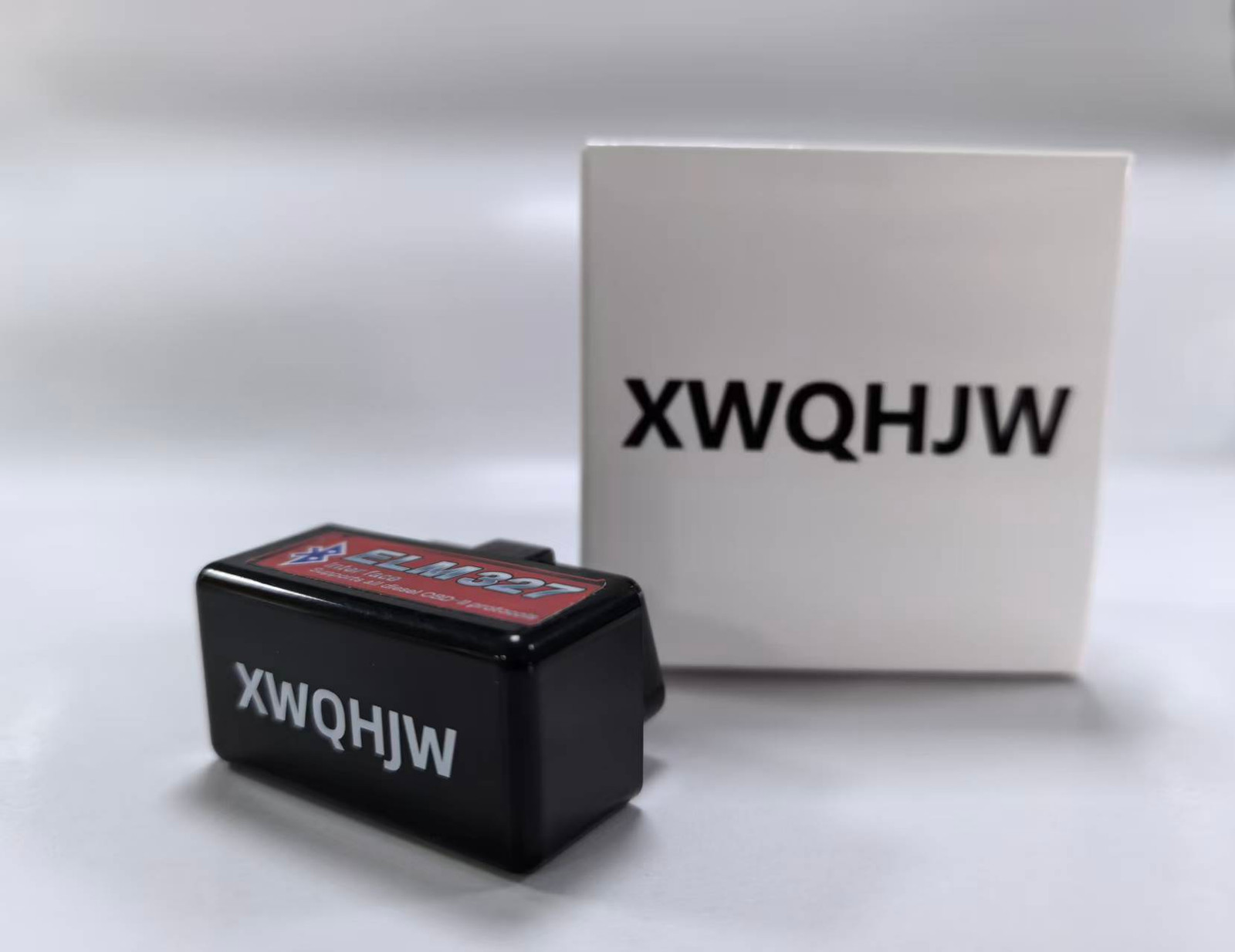
Go with the XWQHJW when you want to see engine sensor readings while you drive. It broadcasts real-time data over Bluetooth 5.1 to iOS and Android phones, and it covers the standard OBD-II protocols, including 12V gasoline and diesel vehicles. The compact handheld scanner can stay connected to the OBD-II port while your phone becomes the dashboard. It also operates across a 9V-16V input range and a temperature range of -40°C to 85°C, so it's built for the conditions around the OBD port. The main limitation is that you'll need to bring your phone to the car to see that data feed. This is the wireless, phone-first way to do automotive diagnostics, and it's best if you already use your phone as your go-to dashboard.
Cotit Parts OBD2 Scanner
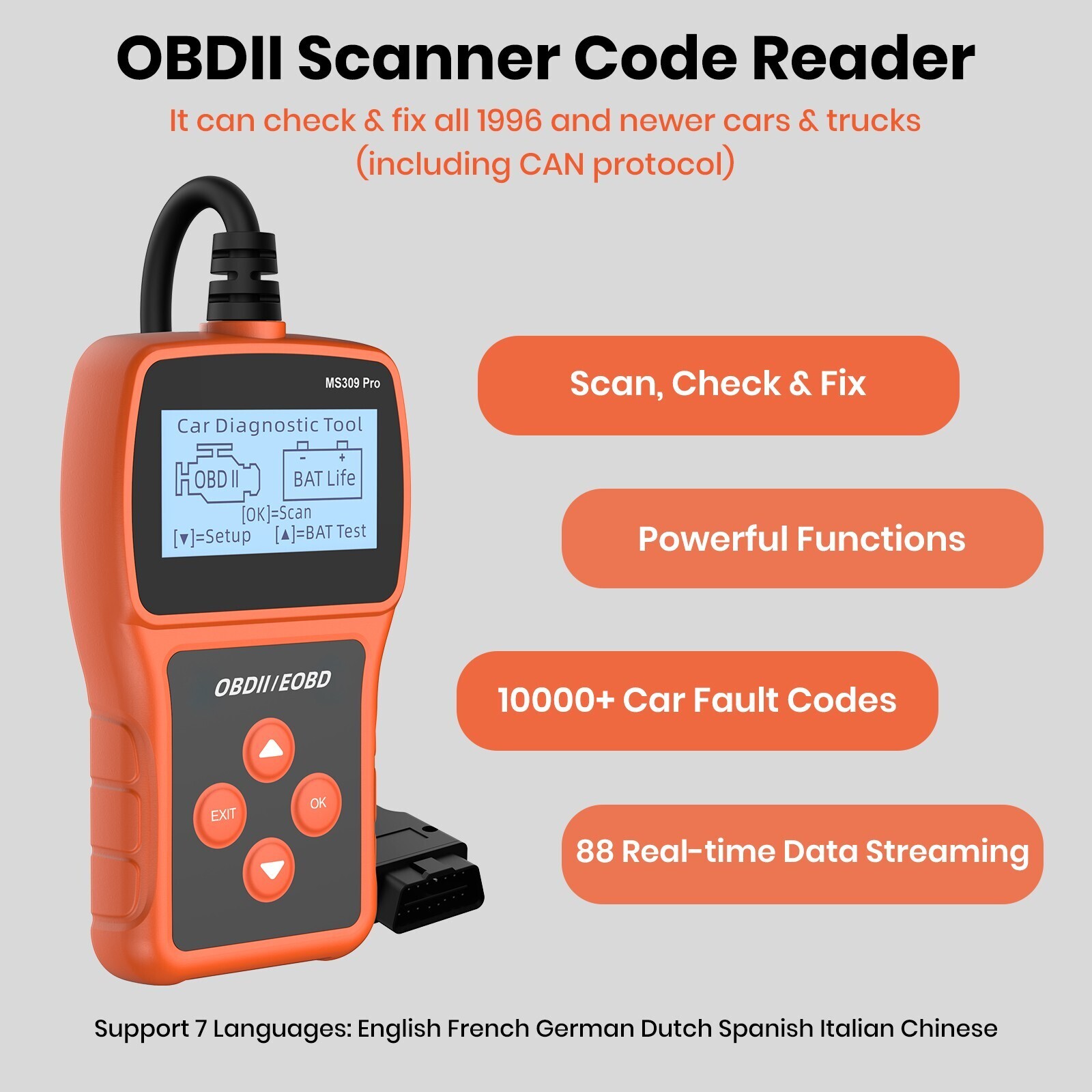
If you prefer a lower-priced tool that you can plug in and use without a phone, the Cotit Parts OBD2 Scanner is the one. It connects over OBD and ships with a USB cable and a user guide. It handles engine diagnosis, erases codes, shows freeze frame data, and measures battery voltage-at $15.28 it's the more economical option in this head-to-head. The battery voltage measurement is useful when you want a quick look at charging system health, and the freeze frame data helps you remember what the engine was doing when the fault occurred. The limitation is that this one is built for code reading and measurements rather than a continuous engine data feed. For a straightforward check-engine-light fix, this keeps the process direct.
Final choice by use case
For watching sensor readings on your phone, choose the XWQHJW ELM327 Bluetooth Scanner. For straightforward fault-code diagnosis with a USB connection, choose the Cotit Parts OBD2 Scanner. Both are new automotive diagnostic tools, but they solve different parts of the same problem.