When your check engine light switches on, the next question is usually which automotive diagnostic tool actually fits your workflow. Do you want to pull live data onto your phone without cables, or do you prefer a simple wired code reader that connects directly to the port? The XWQHJW ELM327 Bluetooth Scanner and the Cotit OBD2 Code Reader take two very different paths to the same OBD-II port.
Quick verdict
The XWQHJW ELM327 Bluetooth Scanner is the better choice for drivers who want a wireless, phone-based way to keep an eye on engine data. The Cotit OBD2 Code Reader is the more straightforward pick for anyone who wants a no-pairing, cable-connected tool with a clear set of diagnostic functions. With a price spread from USD 18.59 to USD 28.55, the Cotit also asks for less at the checkout.
At a glance
| Feature | XWQHJW ELM327 Bluetooth Scanner | Cotit OBD2 Code Reader |
|---|---|---|
| Price | USD 28.55 | USD 18.59 |
| Connection | Bluetooth 5.1, iOS/Android | OBD connection |
| Diagnostic highlights | Real-time data, all standard OBD-II protocols | Erase code, freeze frame data, engine diagnosis, battery voltage |
| Protocol support | SAE J1850 PWM/VPW, ISO9141-2, ISO14230-4 KWP2000, ISO15765-4 CAN | OBD-II |
Where each product wins
Where the XWQHJW ELM327 wins
The wireless Bluetooth link makes it the winner for live monitoring. You can pair it with a phone and watch engine data without being tethered to the car, and its protocol coverage is broad enough for most 12V gasoline or diesel vehicles.
Where the Cotit OBD2 Code Reader wins
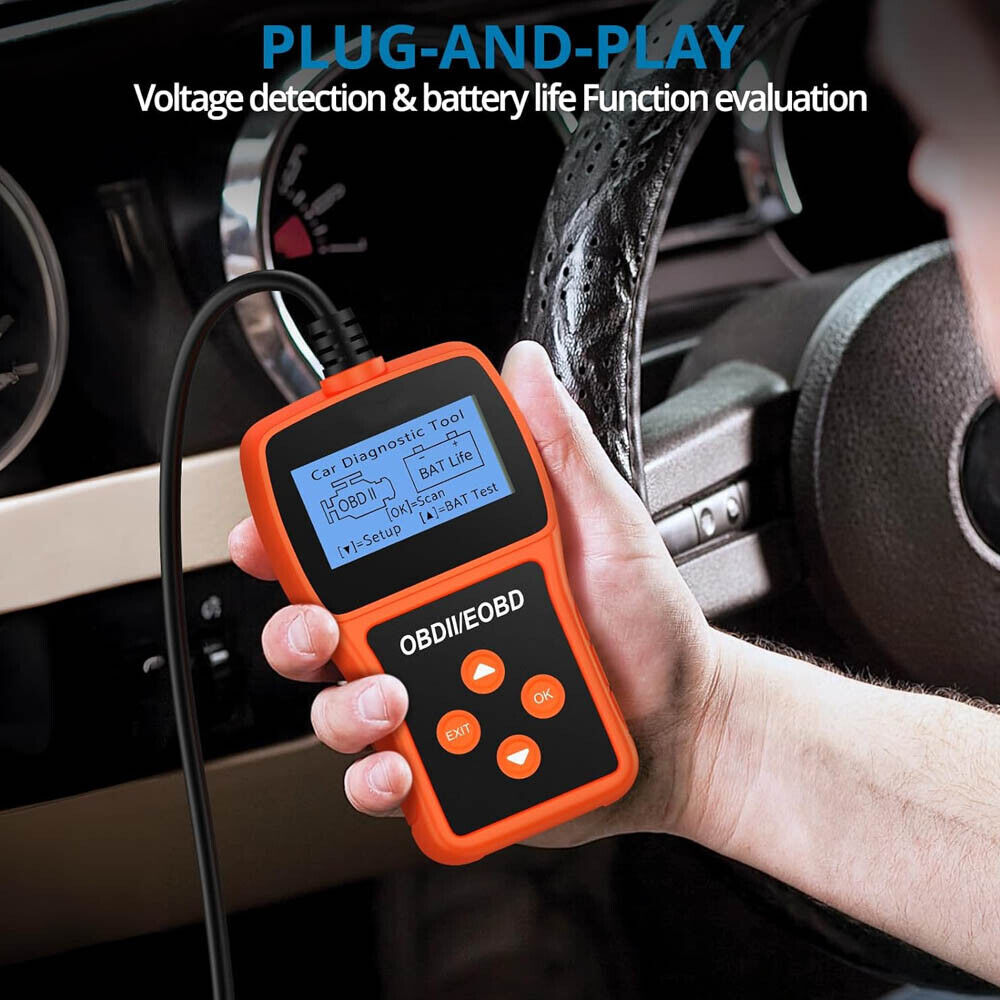
The Cotit wins on the clarity of what it does. Its feature set is easy to understand, and the included USB cable and user guide make it a simple wired tool for quick checks.
Product notes
XWQHJW ELM327 Bluetooth Scanner
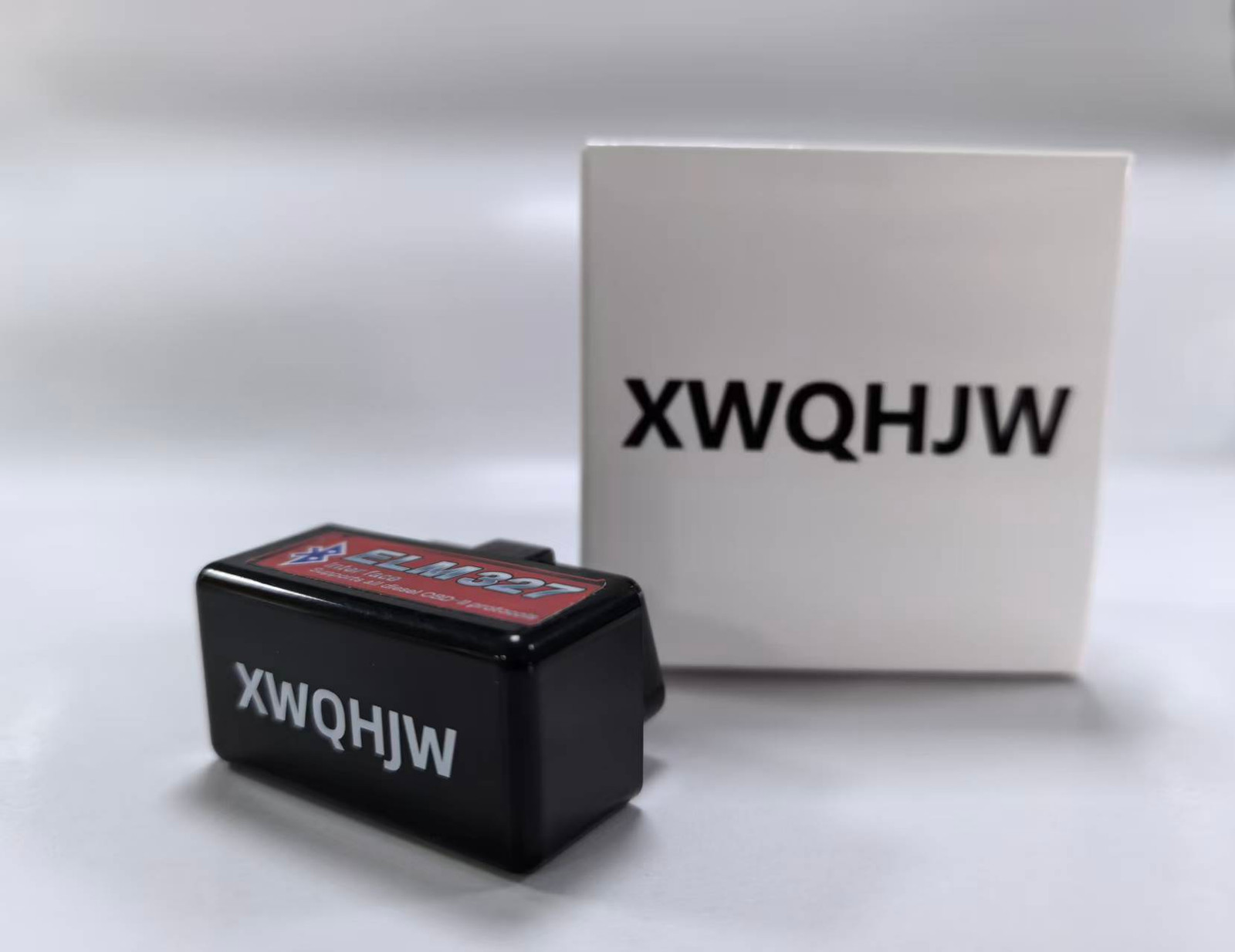
The XWQHJW is a compact OBD-II adapter that streams real-time data to your phone over Bluetooth 5.1. It supports all standard OBD-II protocols, including the common SAE J1850 PWM/VPW, ISO9141-2, ISO14230-4 KWP2000, and ISO15765-4 CAN standards, and it operates in 12V gasoline and diesel vehicles. The main reason to choose it is convenience: no cables, just pair with an iOS or Android device and monitor the car's health status in the app. The trade-off is that its listed feature set centers on real-time data rather than code clearing; if you want to erase faults or look at freeze-frame data, you'll need to see whether the companion app includes those actions. It's best for drivers who want live telemetry rather than just a fault-code reset.
Cotit OBD2 Code Reader
The Cotit OBD2 Code Reader takes a more traditional approach. It connects through the OBD port and comes with a USB cable and user guide, so it's a wired diagnostic tool rather than a wireless adapter. Its feature list includes erase code, freeze frame data, engine diagnosis, and battery voltage measurement, making it a practical option for clearing the check engine light and capturing key diagnostic snapshots. The biggest reason to pick it is the explicit list of diagnostic actions: you know what it's designed to do without relying on a separate app. The limitation is that it relies on a wired USB cable connection rather than a wireless one, so you'll be physically connected to the vehicle while working.
Final choice by use case
Choose the XWQHJW ELM327 Bluetooth Scanner if you want a wireless phone view of engine data. Choose the Cotit OBD2 Code Reader if you want a wired tool with a straightforward set of diagnostic functions. For a quick check-engine-light reset, the Cotit is the more direct pick; for live data fans, the ELM327 is the one to carry.