The decision
Shopping for automotive diagnostic tools often comes down to one question: how many systems do you actually want to inspect? Some drivers just want to read and clear a check-engine light. Others work on cars often enough that they need to see what is happening with anti-lock brakes, airbags, tire pressure monitoring, and emissions-related components. The two scanners here represent opposite ends of that range.
Quick verdict
For a driver who only needs to pull and clear check-engine codes, the Automotive OBD2 Scanner is the straightforward, low-cost pick. For a home mechanic or small workshop that wants to look at ABS, SRS, TPMS, EPB, and DPF systems, the TOPDON ArtiDiag 600S is the more capable tool. Start with the warning light you are trying to solve: if it is the check-engine light, the lower-price tool will likely be enough; if it is an airbag or ABS light, you need a multi-system scanner.
Comparison
| Product | Price | Connectivity | Best for |
|---|---|---|---|
| TOPDON ArtiDiag 600S | USD 153.00 | WiFi, OBD, CAN, OBDII, EOBD | Multi-system diagnostics: ABS, SRS, TPMS, EPB, DPF |
| Automotive OBD2 Scanner | USD 18.59 | OBD | Engine / check-engine fault codes |
Where each product wins
- TOPDON ArtiDiag 600S: wins for system coverage and wireless connectivity. It supports OBD, CAN, OBDII, and EOBD interfaces, and includes an LCD display, freeze-frame data, code erasing, multi-language interface, and internet-updatable software.
- Automotive OBD2 Scanner: wins for simplicity and value. It covers engine diagnosis, erase codes, freeze-frame data, and battery voltage measurement at a much lower price.
Product notes
TOPDON ArtiDiag 600S
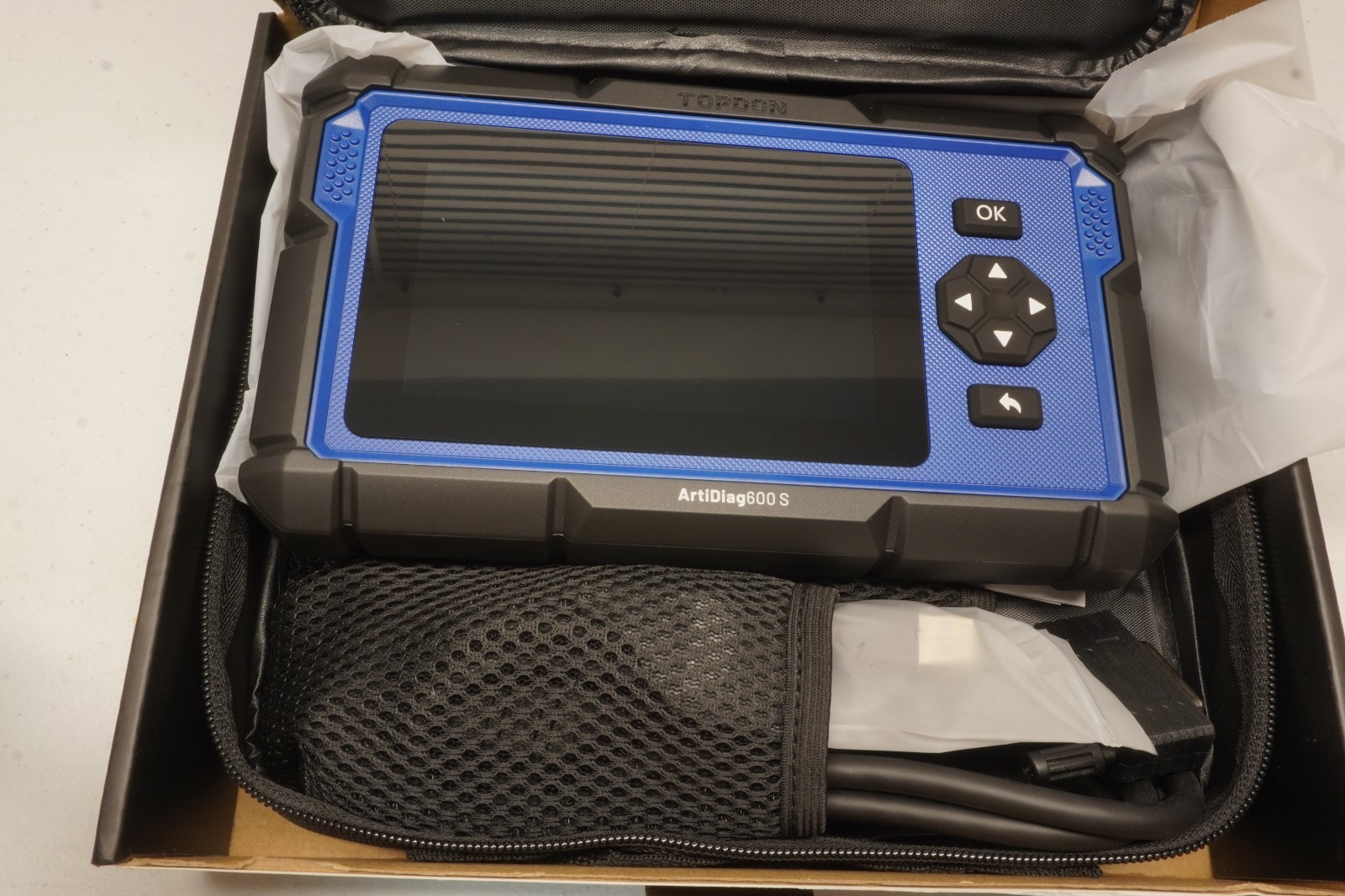
The ArtiDiag 600S is a multi-system scanner that covers ABS, SAS, SRS, TPMS, EPB, and DPF systems, making it useful beyond basic engine codes. That extra breadth is the main reason to step up from a basic code reader. It comes with an adapter cable, USB cable, and user guide, and the WiFi connectivity plus support for OBD, CAN, OBDII, and EOBD interfaces means it can talk to a range of vehicles. The LCD display, freeze-frame views, code erasing, multi-language interface, and internet-updatable software add up to a tool that feels like a step up from a simple code reader. The obvious trade-off is the $153.00 price. If you never touch the brakes, airbags, tire-pressure monitors, or diesel particulate filters, you may be paying for capability you do not use.
Automotive OBD2 Scanner
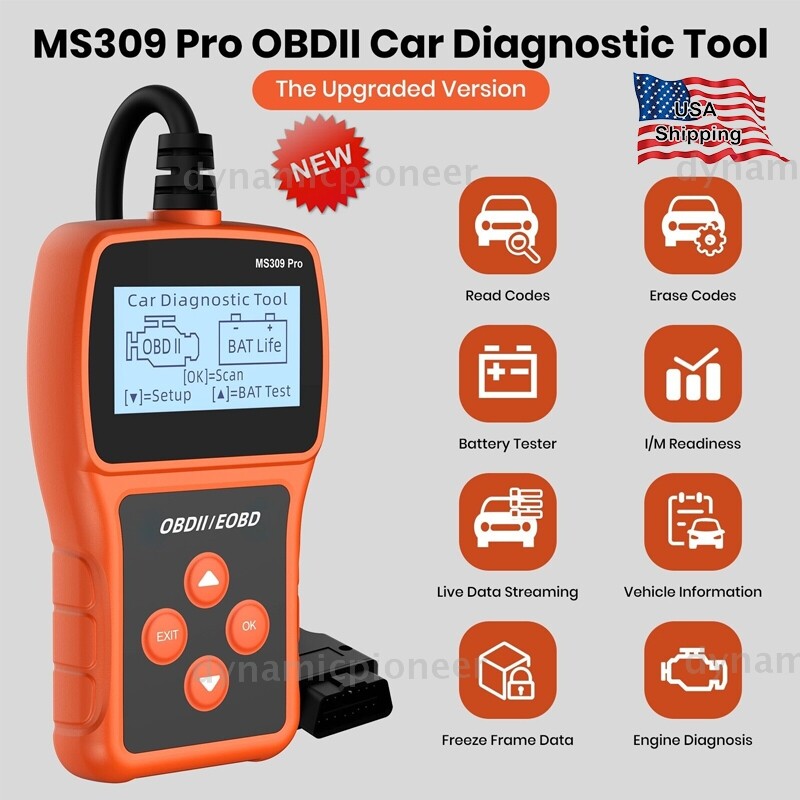
This Automotive OBD2 Scanner is exactly the kind of tool you reach for when the check-engine light comes on. It can read and erase engine fault codes, view freeze-frame data, diagnose engine faults, and measure battery voltage. The package includes a USB cable and user guide, and the OBD connection is straightforward. At $18.59, it is a low-cost entry point into automotive diagnostic tools. For many drivers, this is all the diagnostic depth they need. The limitation is the scope: it is designed for engine/check-engine diagnostics, and there is no mention of ABS, SRS, TPMS, EPB, or DPF coverage. For a dedicated multi-system look, you would need to move up to a scanner like the TOPDON ArtiDiag 600S.
Final choice by use case
If you want to check engine fault codes and keep costs low, go with the Automotive OBD2 Scanner. If you need to diagnose multiple systems like ABS, SRS, TPMS, EPB, and DPF, the TOPDON ArtiDiag 600S is the scanner to buy. For a weekend DIYer, the basic scanner handles the most common job; for a shop or serious home garage, the ArtiDiag makes more sense.