Choosing gear for overland communications & navigation comes down to a practical split: do you want a handheld GPS centered on topo trail maps, or a GPS computer kit built around off-road trail planning? Garmin Oregon 600t and Trail Tech Voyager point in those different directions. The right choice depends less on a generic GPS label than on whether your trips call for handheld map navigation or a vehicle-focused display with organized trail views and ride data.
Quick verdict
Choose Garmin Oregon 600t at $179.00 if a handheld/outdoors GPS and a lower entry price are your priority. Choose Trail Tech Voyager at $339.95 if a GPS computer kit for off-road vehicles and a dedicated trail-planning workflow fit better. Garmin matches portable map navigation, while Trail Tech matches a more specific vehicle-oriented setup.
At a glance
| Product | Price | Format and condition | Notable navigation details |
|---|---|---|---|
| Garmin Oregon 600t GPS | $179.00 | Handheld/Outdoors; Used | TOPO U.S. 24K High Detail Trails; terrain contours and routing on roads and trails; Geocaching Mode |
| Trail Tech Voyager GPS Kit | $339.95 | Voyager GPS Computer Kit; New | 3D trail mapping; GPS speed, distance, altitude, and temperature; sunlight-readable LCD |
Where each product wins
Garmin Oregon 600t
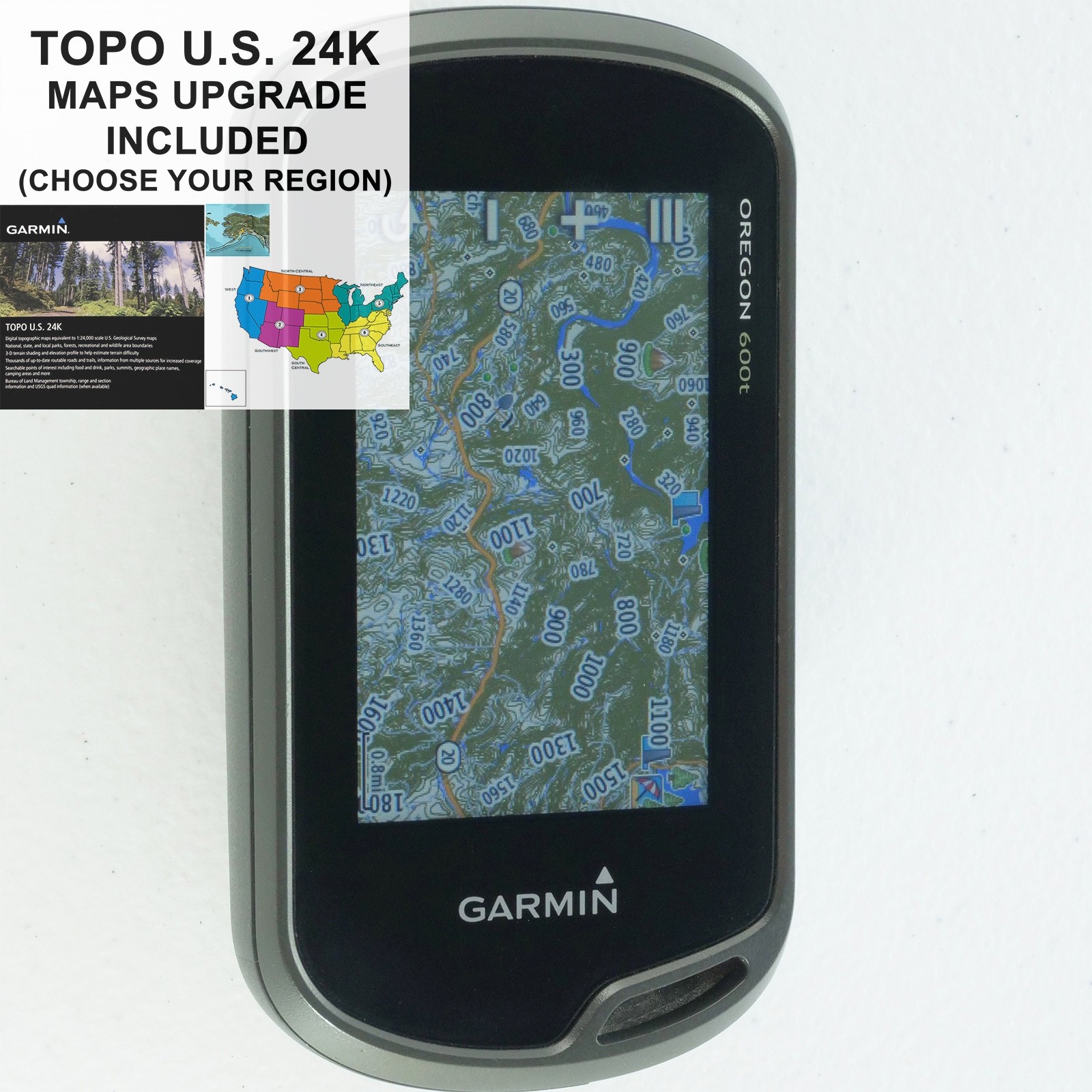
Garmin has the clearer case for map-led route work. Its TOPO package is tied to terrain contours and routing on roads and trails, so shoppers prioritizing those functions can connect the purchase to a specific use. Geocaching Mode is another defined capability. The handheld/outdoors role makes the Oregon 600t a natural match for buyers who want a GPS away from a kit-specific setup.
Trail Tech Voyager GPS Kit
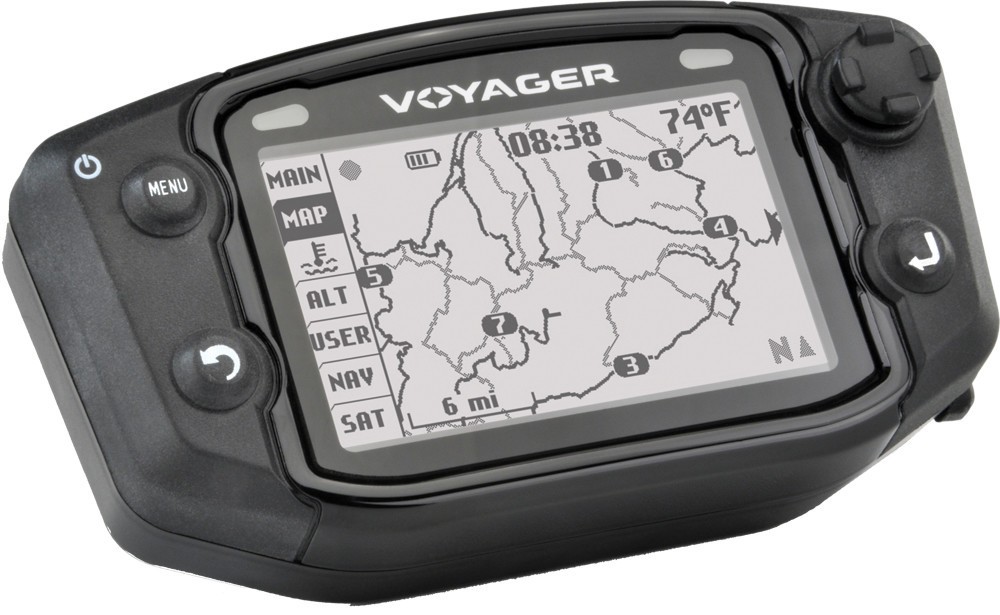
Trail Tech has the clearer case for a vehicle-oriented planning setup. Its 3D trail mapping is the major differentiator, while the LCD is described as readable under intense sunlight. The unit also presents GPS speed, distance, altitude, and temperature data, giving the shopper several explicitly named readouts to weigh. Its kit-specific identity makes it a more focused choice than a general handheld GPS. Pick Trail Tech when trail planning and on-screen trip data matter more than handheld portability.
Product notes
Garmin Oregon 600t
Garmin Oregon 600t is the more natural match for a shopper who wants a handheld/outdoors unit rather than a kit-style computer. The model name is clear, and the 3-inch screen gives a concrete sense of its handheld format without requiring assumptions about mounting or installation. The limitation is its Used condition, which puts it in a different purchase profile from Trail Tech's New condition. That distinction matters more than vague claims about durability or performance. Choose the Oregon 600t when handheld portability and a defined GPS form fit the trip; its role is easy to understand from the model and type, while the condition is the main compromise to weigh.
Trail Tech Voyager GPS Kit
Trail Tech Voyager GPS Kit is aimed at a shopper who wants a GPS computer kit for off-road vehicles. Its trail-system workflow lets users view, organize, edit, and share entire trail systems, making it a fit for someone who plans routes as well as follows them. The limitation is the kit-specific format; shoppers seeking a handheld/outdoors device should favor Garmin's stated type instead. Trail Tech is also marked New, a concrete condition difference that may matter in the final choice. Select it when the Voyager format and trail-system organization are central, rather than treating a broad GPS label as the deciding factor.
Final choice by use case
- Handheld/outdoors use: Choose Garmin Oregon 600t when the handheld GPS format is the starting point.
- Off-road vehicle trail planning: Choose Trail Tech Voyager GPS Kit when the GPS computer kit role is the better match.
- Price-led choice: Garmin is the lower-cost route, with a $160.95 difference between the two listed prices.
If your use case starts with a handheld GPS, Garmin is the clearer fit. If it starts with a vehicle-oriented kit for organized trail work, Trail Tech is the clearer fit. Let the format and workflow decide first, then use the price gap as the tie-breaker.