Understanding the decision
You do not need a full workshop to diagnose a check-engine light. The real decision is whether a basic code reader tells you enough or whether you need a wireless scanner that can talk to every system in the car. These two OBD2 tools sit at opposite ends of the automotive diagnostic tool spectrum, and the right one depends on how much repair work you actually do.
Quick verdict
If you only want to know why the check-engine light is on and clear the code, the EOBD OBD2 Code Reader gets that done for USD 4.99. If you plan to do your own brake, steering, and emissions-related service, the FOXWELL ALL System Bluetooth Scanner is the more capable purchase. Both share OBD2 basics, but they are not really competing on the same job.
Listed price and coverage
| Product | Listed price | Price indicator | Diagnostic reach |
|---|---|---|---|
| FOXWELL ALL System Bluetooth Scanner | USD 254.59 | Full-system diagnosis, bidirectional tests, 24 special functions | |
| EOBD OBD2 Code Reader | USD 4.99 | Check-engine code reading, full OBD2 tests, live data |
Where each tool wins
The FOXWELL scanner wins when you need all-system coverage and active tests. It communicates with body, chassis, and powertrain modules, and its active-test controls let you command components such as the fuel pump or windows while watching the response. The reset functions for oil, EPB, SAS, DPF, and TPMS make it useful for servicing modern vehicles.
The EOBD code reader wins for a quick diagnosis. It plugs into the OBD2 port and includes I/M readiness for basic checks. That is enough for a used-car pre-purchase look or a weekend check-engine-light investigation.
Product notes
FOXWELL ALL System Bluetooth Scanner
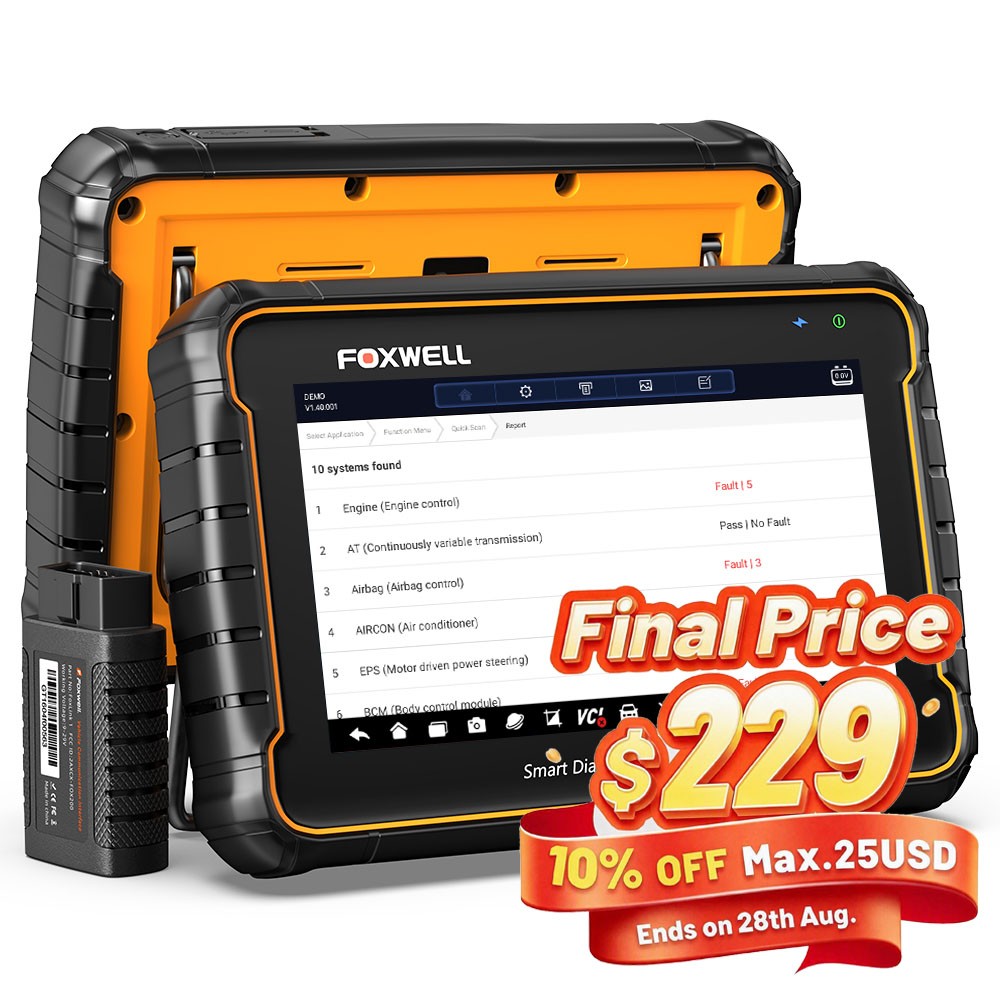
For a home mechanic aiming beyond engine codes, this scanner brings the kind of coverage usually associated with a shop: body, chassis, and powertrain diagnosis, plus bidirectional controls that let you run active tests. The special functions cover resets like oil, EPB, SAS, DPF, and TPMS, which can save return trips if you maintain a modern vehicle. The 7-inch Android screen makes live data easy to read, and the wireless connection lets you move around the car while the power is on. The limitation is capability overload: if your only problem is a recurring check-engine light, you will leave most of this scanner's power unused. It is designed for someone who plans to keep diagnosing and servicing.
EOBD OBD2 Code Reader
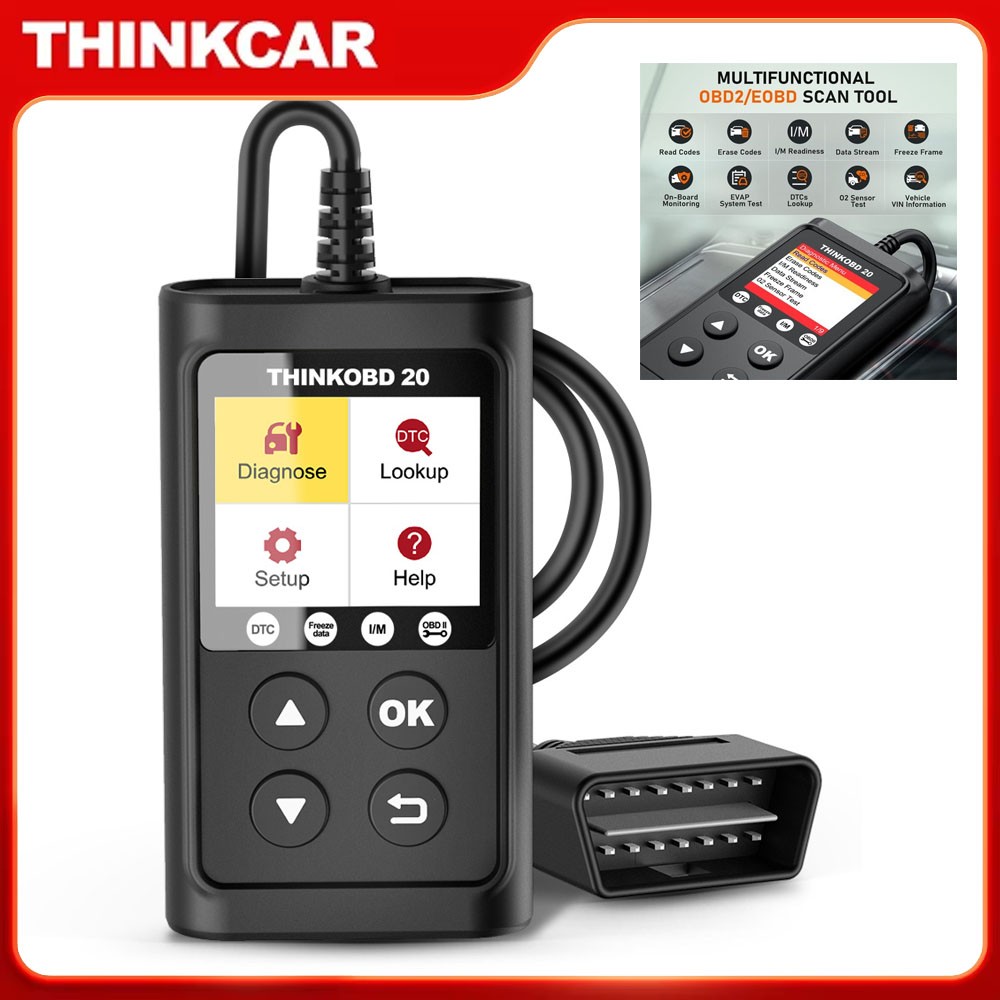
A code reader like this one exists to answer two questions quickly: which code is stored and is the car ready for an emissions check. It reads check-engine codes, runs full OBD2 tests, and includes I/M readiness and live data. The DTC lookup helps decode the number on the spot, which is more than many basic readers offer. Because it uses the OBD connector and a simple workflow, it works well as a first tool for a new owner or as a backup. The limitation is scope: it will not talk to all systems or run bidirectional commands, so if you need to cycle an ABS pump or perform a throttle reset, you will need a different tool. For reading codes and clearing them, it is a no-frills companion.
Final choice by use case
Choose the FOXWELL ALL System Scanner if you do your own repairs and want coverage across body, chassis, and powertrain plus active tests and resets. Pick the EOBD OBD2 Code Reader if you need a quick answer for the check-engine light or want a basic health check before an emissions test. There is no single right answer; the right automotive diagnostic tool is the one that matches the work you will actually do.