Photos from current listings. Actual item, color, and included accessories may vary.
Rv Refrigerator Buying Guide
RV refrigerators split into three architectures: absorption (propane/120V), compressor (12V DC), and residential-style 120V units. The primary trade-off is off-grid autonomy versus cooling speed and ambient tolerance—absorption runs silently on propane but is slow and level-sensitive, while 12V compressor fridges cool fast and deep but draw battery power. The decision rule: match the cooling architecture to your power budget and usage pattern, not to interior volume alone.


At a glance
- Category
- RV Fridges & Cooking
- Data updated
- Nov 15, 2026
Current offers
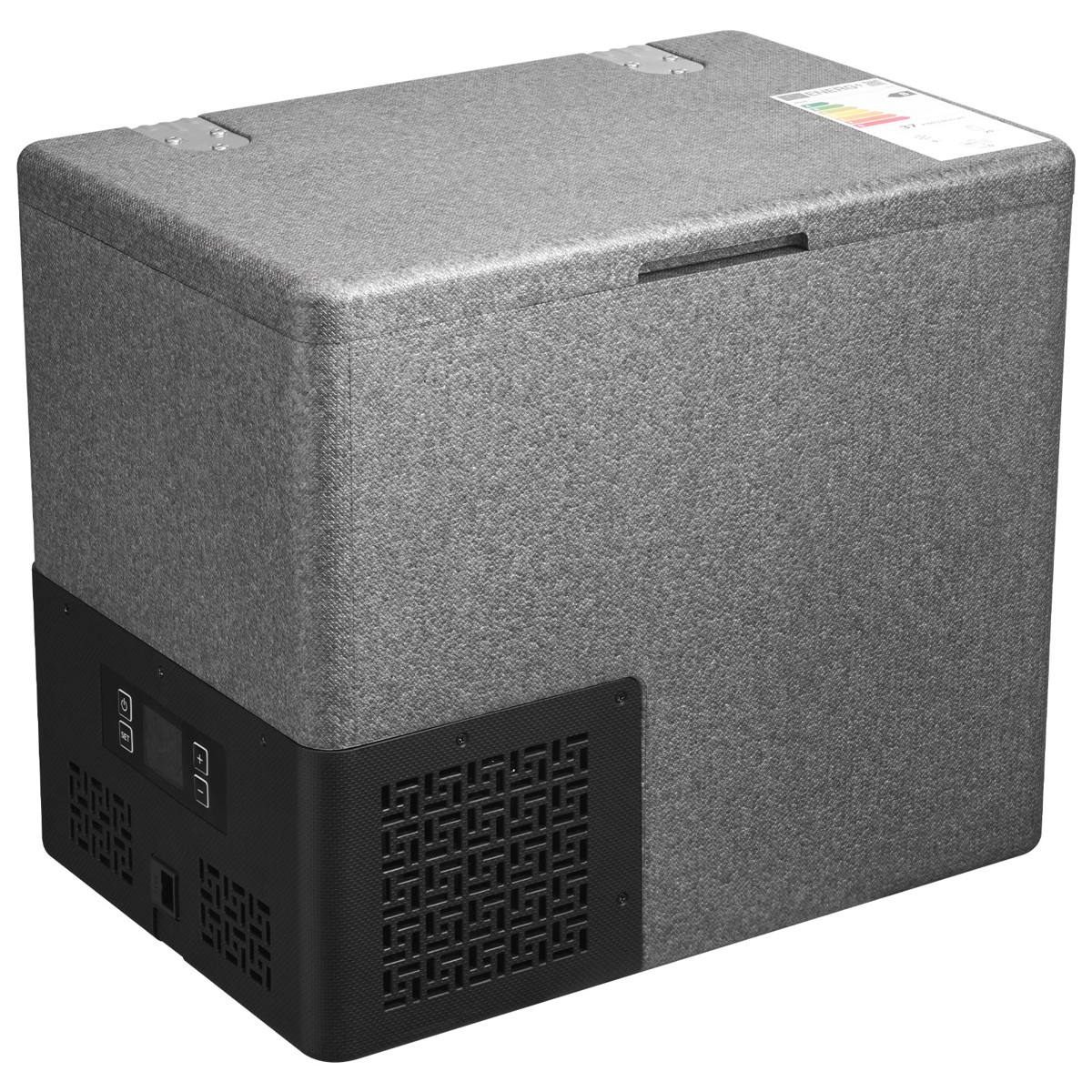 12 Volt Refrigerator, 21.1 QT/ 20L Car Fridge, Portable Ultra-Light EPP Freezer, APP Control Electric Compressor, 12V/24V DC, 14℉ To 50℉, For Truck Van RV SUV Boat Travel Camping$183.99
 View on Mallflare
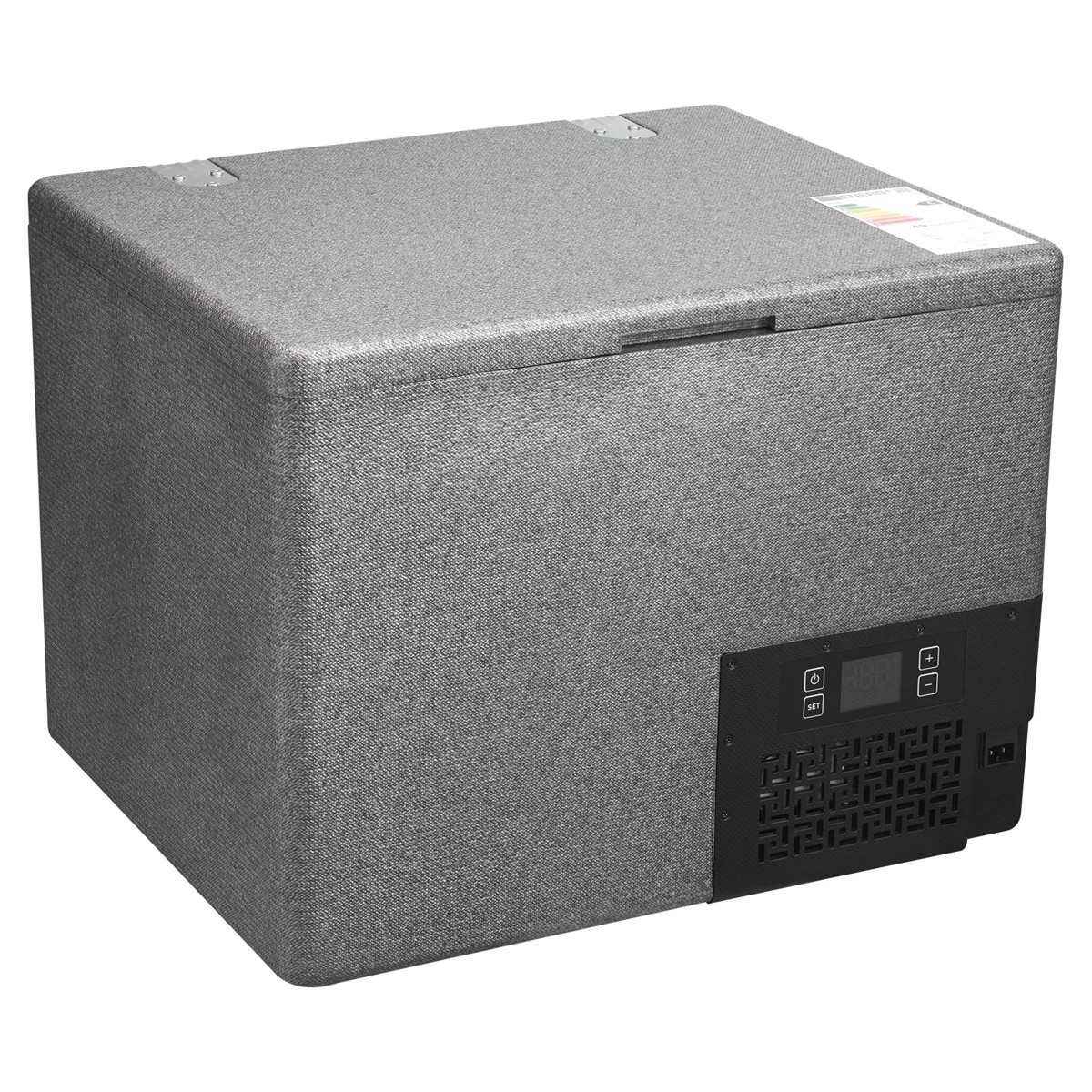 12 Volt Refrigerator, 42.3 QT/ 40L Car Fridge, Portable Ultra-Light EPP Freezer, APP Control Electric Compressor, 12V/24V DC, 14℉ To 50℉, For Truck Van RV SUV Boat Travel Camping$215.99View on Mallflare
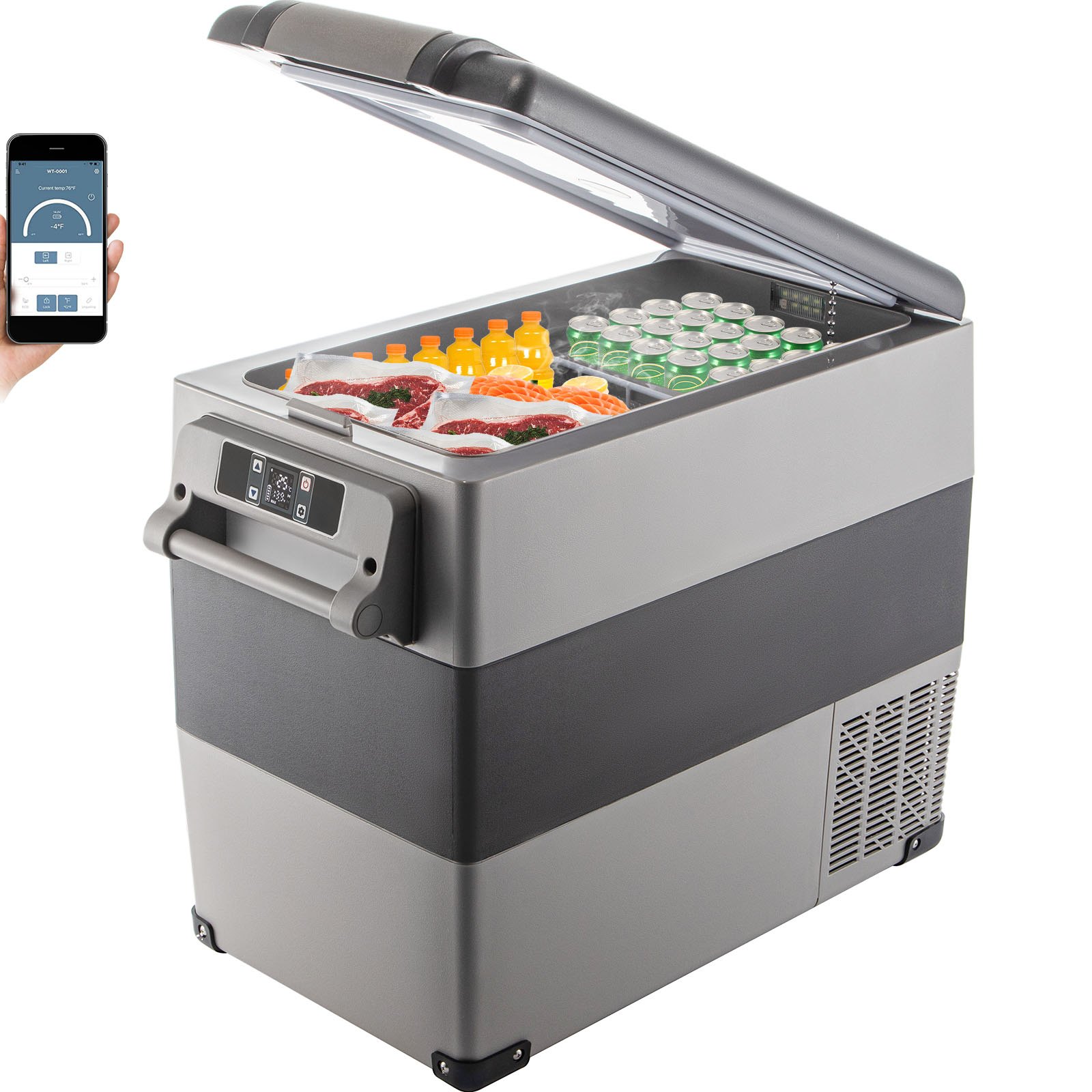 12 Volt Refrigerator, 58 Quart Car Dual Zone Portable Refrigerator,RV With 12/24V DC And 110-240V AC, Freezer Fridge Cooler, For Car, RV, Camping And Home Use$296.99View on Mallflare
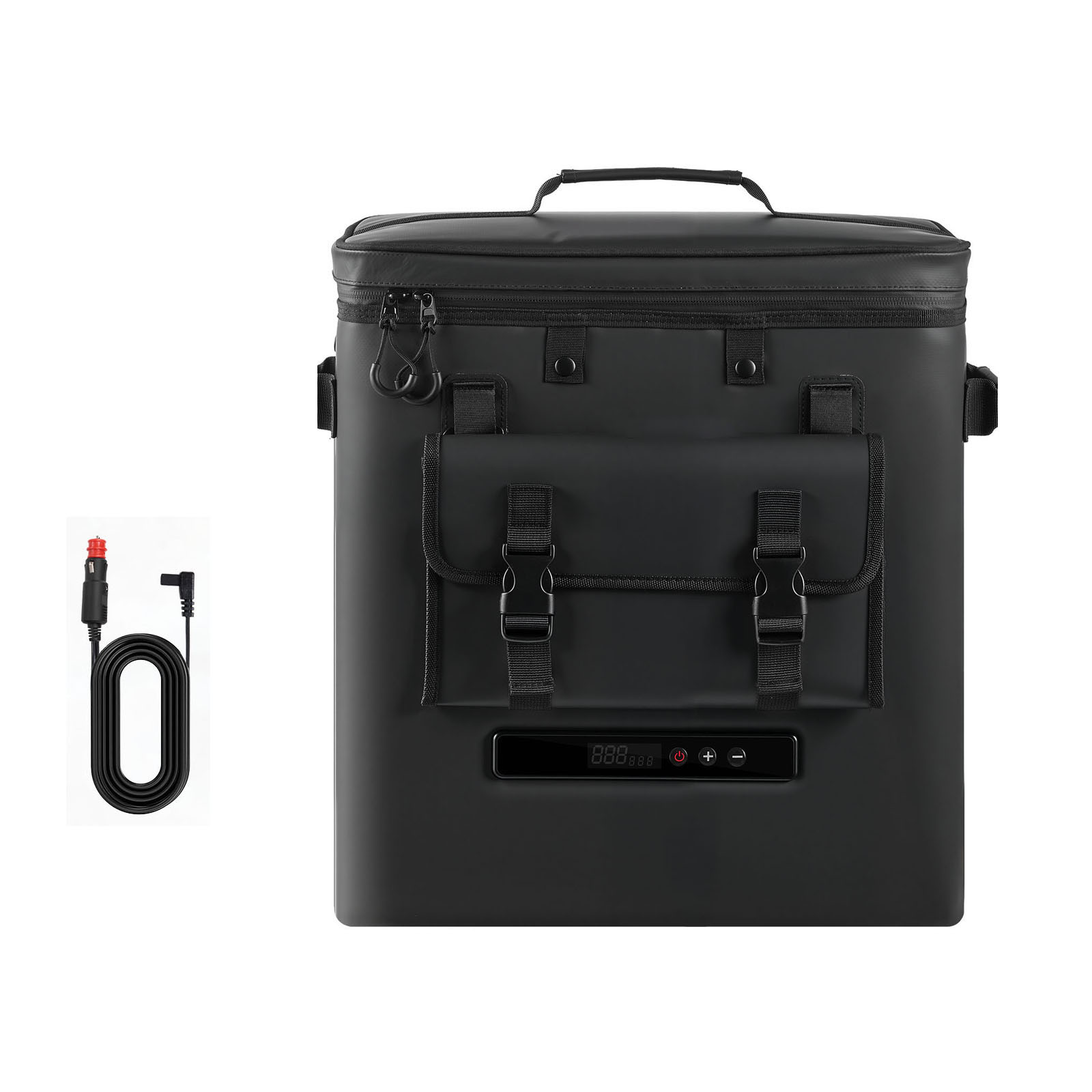 12 Volt Refrigerator, 13.7 QT/ 13L Car Fridge, Portable Electric Freezer Compressor, 12V/24V DC, 21℉ To 50℉/ -6℃ To 10℃, For Truck Van RV SUV Boat Travel Camping Road Trips$307.99View on Mallflare
Highlights
- Absorption fridges use a heat-driven ammonia cycle (propane or 120V AC), draw 0A from the battery, but need level ground within 3° and 8–12 hours to pull down.
- 12V DC compressor fridges use hermetic reciprocating or variable-speed compressors, cool to 0°F in under an hour, and draw roughly 1–2.5A average per hour in 70°F ambient.
- Residential 120V fridges only work with shore power or a pure-sine inverter sized at 2–3× running watts for compressor startup surge.
- Ventilation is structural: absorption units require roof or side vent kits with correct baffling, while compressor units reject heat into the cabin and need 2–4 inches of clearance.
Best use cases
- Full-time boondocking with no solar: choose an absorption unit (propane/120V) for zero battery draw—skip 12V compressor unless you have 200W+ solar and 100Ah+ lithium.
- Weekend road trips and van conversions: a 12V DC compressor fridge in the 20–50L range is the right pick—skip absorption because cool-down time kills short trips.
- Campgrounds with full hookups: a residential 120V or absorption unit works, but skip residential if you ever dry camp without a 2000W+ inverter and battery bank.
- Replacing a failed RV fridge in the same cutout: match the original venting type—absorption-to-compressor swaps often require blocking roof vents and adding cabin airflow.
Buying tips
- Size the fridge to your battery: a 12V compressor fridge uses roughly 25–50Ah per day; pair every 50L of fridge with at least 100Ah lithium or 200Ah AGM plus 200W solar.
- Match cutout dimensions exactly: RV absorption replacement sizes follow Dometic/Norcold cutout standards; measure width, height, and depth before ordering any 12V compressor retrofit.
- For absorption, propane pressure must be 11–14 inches water column; a failing cooling unit often shows yellow residue at the burner box—inspect before buying used.
- Compressor fridges tolerate 90–110°F ambient; absorption performance degrades above 90°F, so add a vent fan kit if you camp in desert heat.
Specs
| Cooling Type | Absorption / 12V Compressor / 120V |
|---|---|
| Power Draw | 0A propane / 1–2.5A avg 12V |
| Capacity Range | 13L portable to 10 cu ft built-in |
| Vent Requirement | Roof vent (absorption) / air gap (compressor) |
Related searches
What to check before buying
- Measure the existing cutout (W×H×D) and door swing clearance; replacement fridges must fit within 1/4 inch of the opening.
- Confirm power source: 12V DC circuit rated 15A, propane line with shutoff, or 120V shore/inverter capacity.
- Check venting: absorption needs roof vent plus lower side vent; compressor needs 2–4 inches of rear/side air gap.
- Verify door hinge side and shelf configuration fit your aisle layout before purchase.
FAQ
Data sources: eBay / Amazon listings and product attribute feeds Data updated Nov 15, 2026.
Some links on this page are affiliate links. If you buy after clicking one, we may earn a commission at no extra cost to you. This does not change which products appear here or their order. Affiliate disclosure.