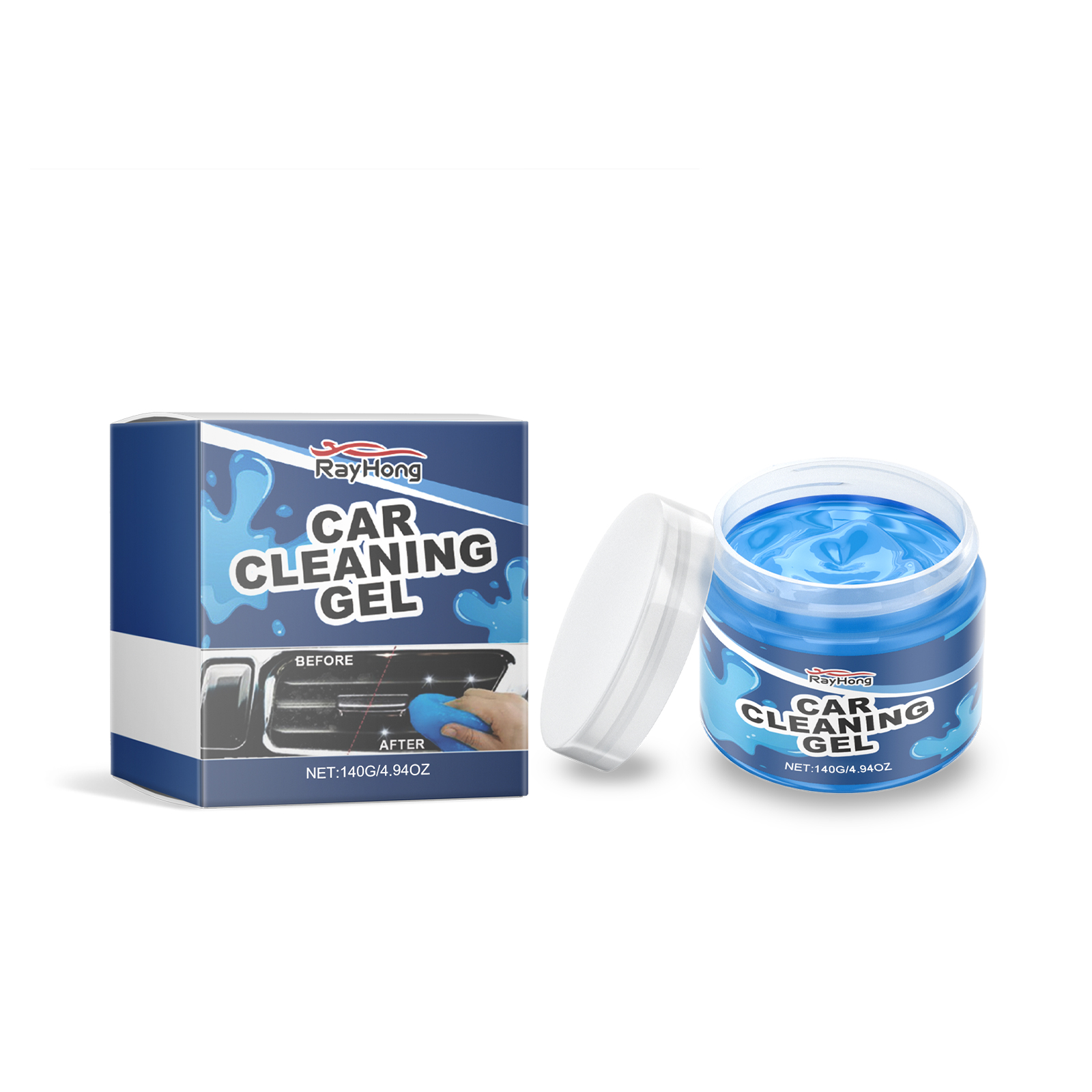

Photos from current listings. Actual item, color, and included accessories may vary.
Detailing Product Buying Guide
Detailing products are the consumables and tools that lift embedded grime from interior crevices—vents, seams, and switchgear—without scratching trim. The core trade-off is whether a product is a residue-free, reusable gel that pulls debris or a one-use liquid that smears and evaporates. Buy a tacky, low-residue gel for deep crevice work; skip wet sprays and stiff brushes for delicate interior panels.


At a glance
- Category
- Detailing Tools & Inspection Lighting
- Data updated
- Nov 15, 2026
Current offers
Highlights
- Cleaning gel picks up dust by adhesion, so tackiness and slow rebound matter more than size; stiff putty crumbles and leaves residue in vents.
- Plastic-safe trim tools are molded from nylon or polypropylene; metal blades and hard ABS edges mar soft-touch dash and piano-black surfaces.
- Detailing brushes separate by bristle grade: soft natural or synthetic for screens and leather, stiff nylon only for carpets and pedals.
- Inspection lighting depends on beam pattern and CRI (90+ recommended) so swirls and dust show under raking light rather than washing out.
Best use cases
- Best fit: reusable cleaning gel for vent slats, radio buttons, and console seams—knead it, press, peel; skip it on porous fabric or wet spills.
- Best fit: soft-detail brush plus 90+ CRI inspection light for dash and screen dusting; skip stiff brushes on piano-black and touchscreens.
- Right configuration: nylon trim pry tools for panel removal; wrong fit: metal picks or flathead screwdrivers that gouge soft-touch coatings.
- Wrong fit: gel on heavy grease or sticky spills—use a dedicated APC and microfiber first, then finish crevices with gel.
Buying tips
- Choose gel that rebounds slowly and stays tacky after kneading; crumbly putty leaves bits in vents and is a false economy.
- Match tool material to surface: nylon/polypropylene pry tools for trim, soft bristles for screens, stiff nylon only for carpets.
- For inspection lighting, require 90+ CRI and a focused beam; low-CRI LEDs hide swirls and make dust invisible.
- Size gel to the job: a palm-sized tub handles a full interior; oversized tubs dry out before use and lose tack.
Specs
| Gel Type | Tacky reusable gel vs stiff putty |
|---|---|
| Trim Tool Material | Nylon / polypropylene vs metal |
| Brush Bristle Grade | Soft synthetic / natural vs stiff nylon |
| Light CRI | 90+ CRI focused beam |
Related searches
What to check before buying
- Measure vent slot width and seam gaps—gel must press in and peel out without breaking; slots under 3 mm need a soft brush instead.
- Confirm trim materials: soft-touch dash, piano black, and leather need plastic-safe tools and soft bristles, never metal or stiff nylon.
- Check inspection light compatibility: USB-C or standard battery, 90+ CRI, and a beam narrow enough to rake across panels.
- Verify gel storage: resealable container keeps it tacky; dried gel is unusable and should be replaced, not revived with water.
FAQ
Data sources: eBay / Amazon listings and product attribute feeds Data updated Nov 15, 2026.
Some links on this page are affiliate links. If you buy after clicking one, we may earn a commission at no extra cost to you. This does not change which products appear here or their order. Affiliate disclosure.