Photos from current listings. Actual item, color, and included accessories may vary.
Dashcam Buying Guide
Dash cams are compact windshield-mounted DVRs that continuously record your drive, with the main trade-off being sensor resolution and lens aperture versus recording reliability and heat tolerance. Durable options use capacitor power (not lithium batteries), wide-aperture glass lenses, and loop recording with G-sensor lock; compromises rely on plastic lenses, narrow 90-degree views, and unverified night vision.

At a glance
- Category
- Dash Cams
- Data updated
- Nov 15, 2026
Current offers
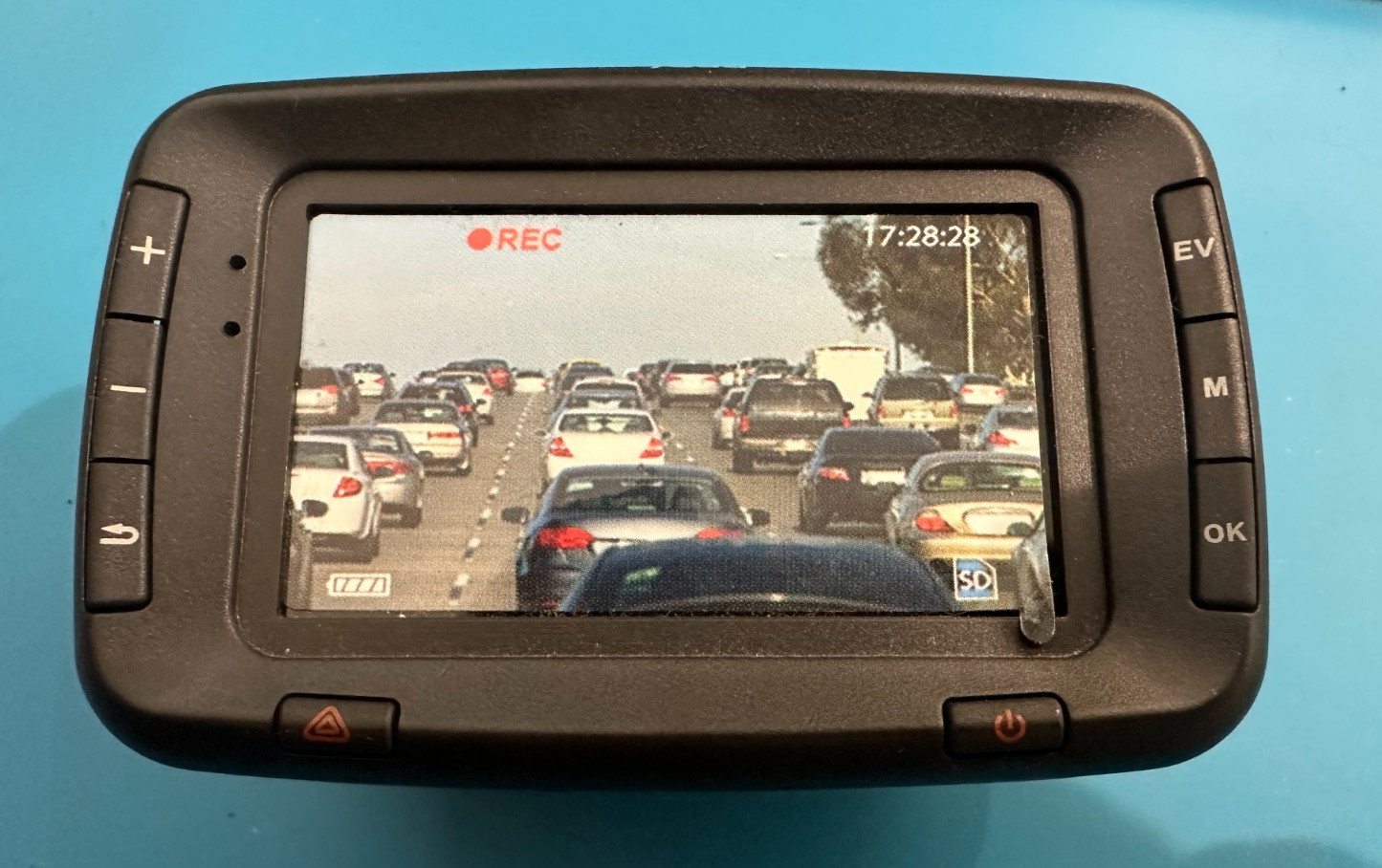 Yada Dash Cam BT-54329 Dashcam Only !! no attachments$14.25
 View on eBay
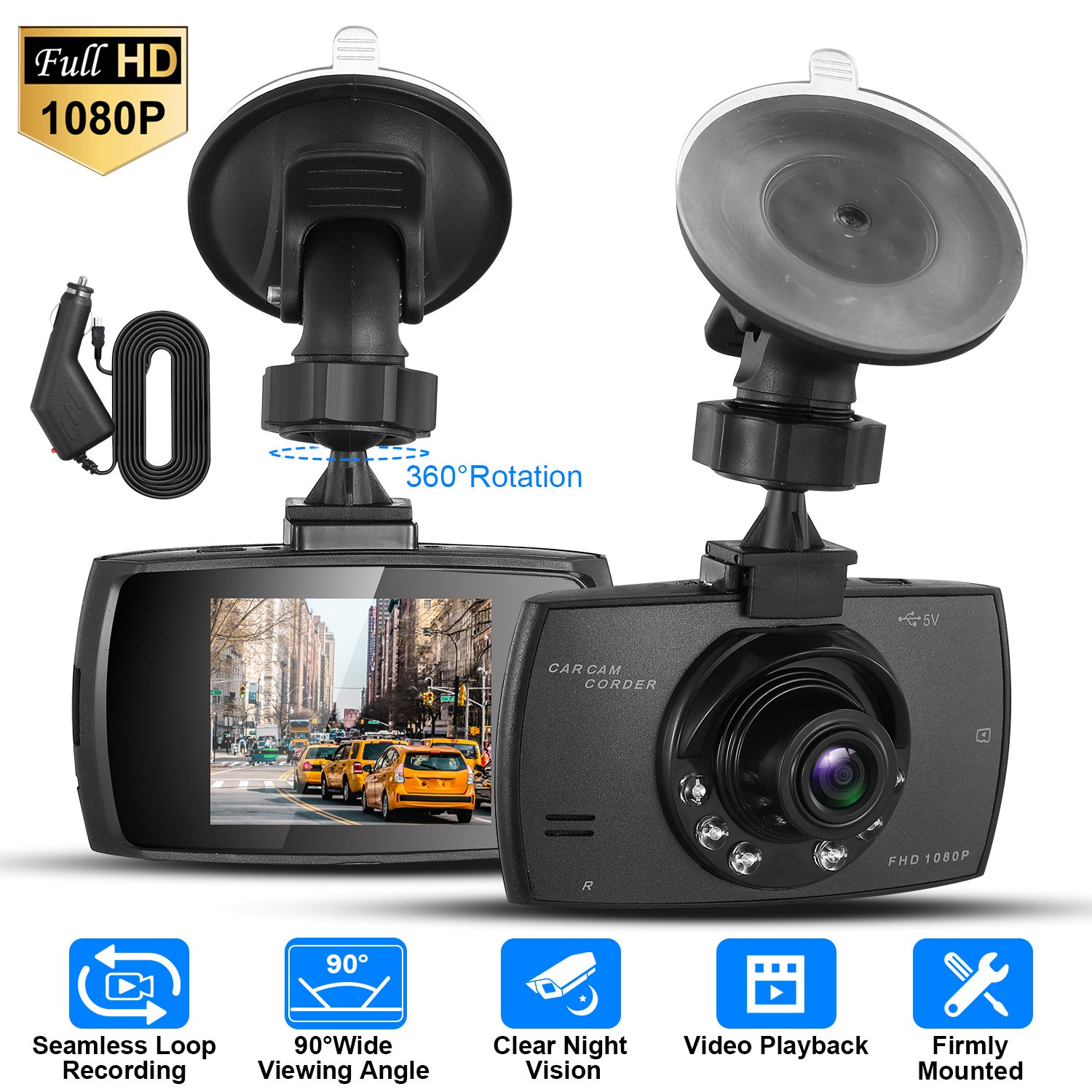 Full HD 1080P Car DVR Recorder, 90 Degree Wide Angle Dashcam, Night Vision With Infrared Lights, Seamless Loop Recording, Support Up To 32G MMC Card$33.99
 View on Mallflare
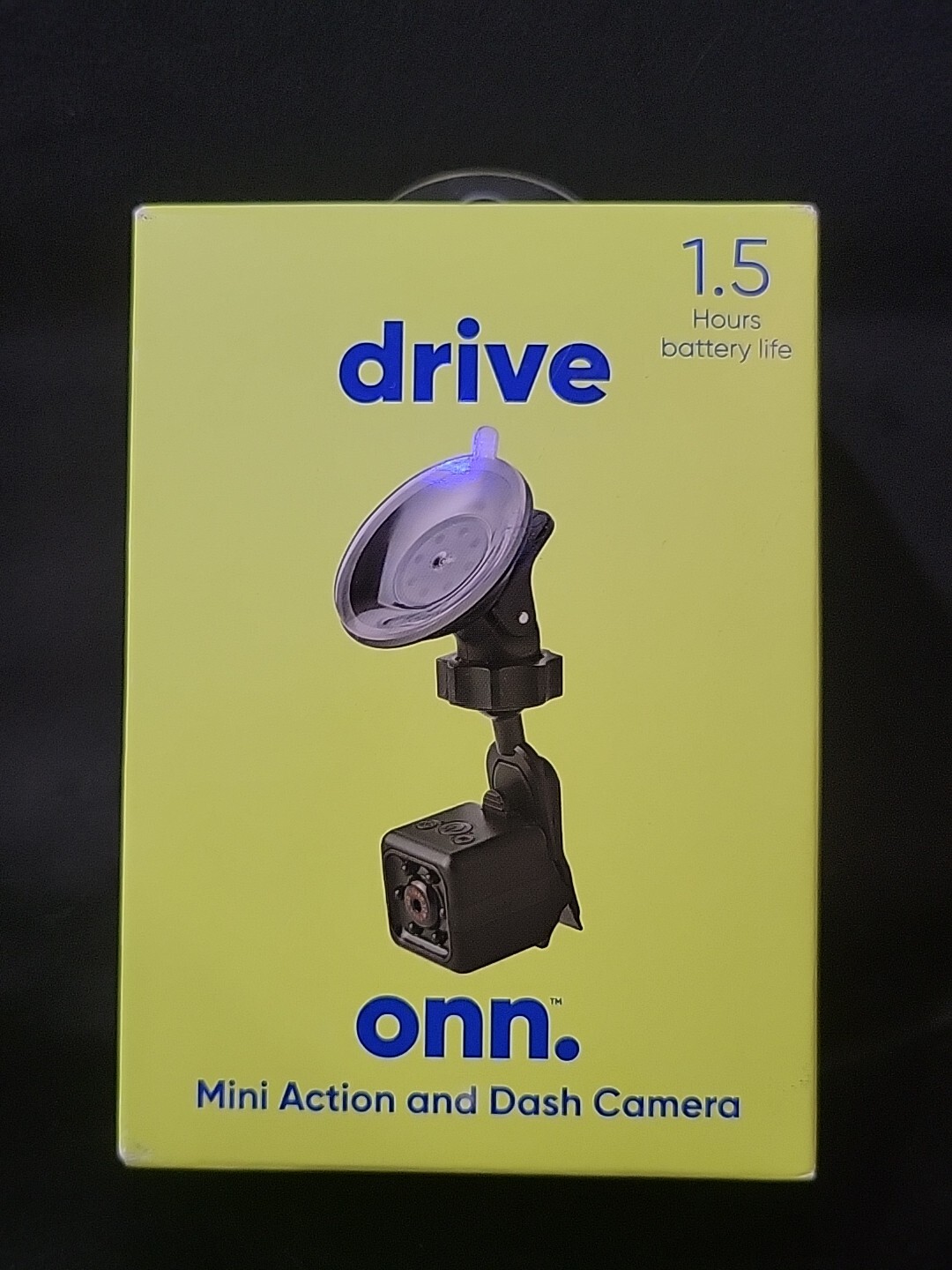 ONN. Mini Action And Dashcam with Mount and Accessories$18.97View on eBay
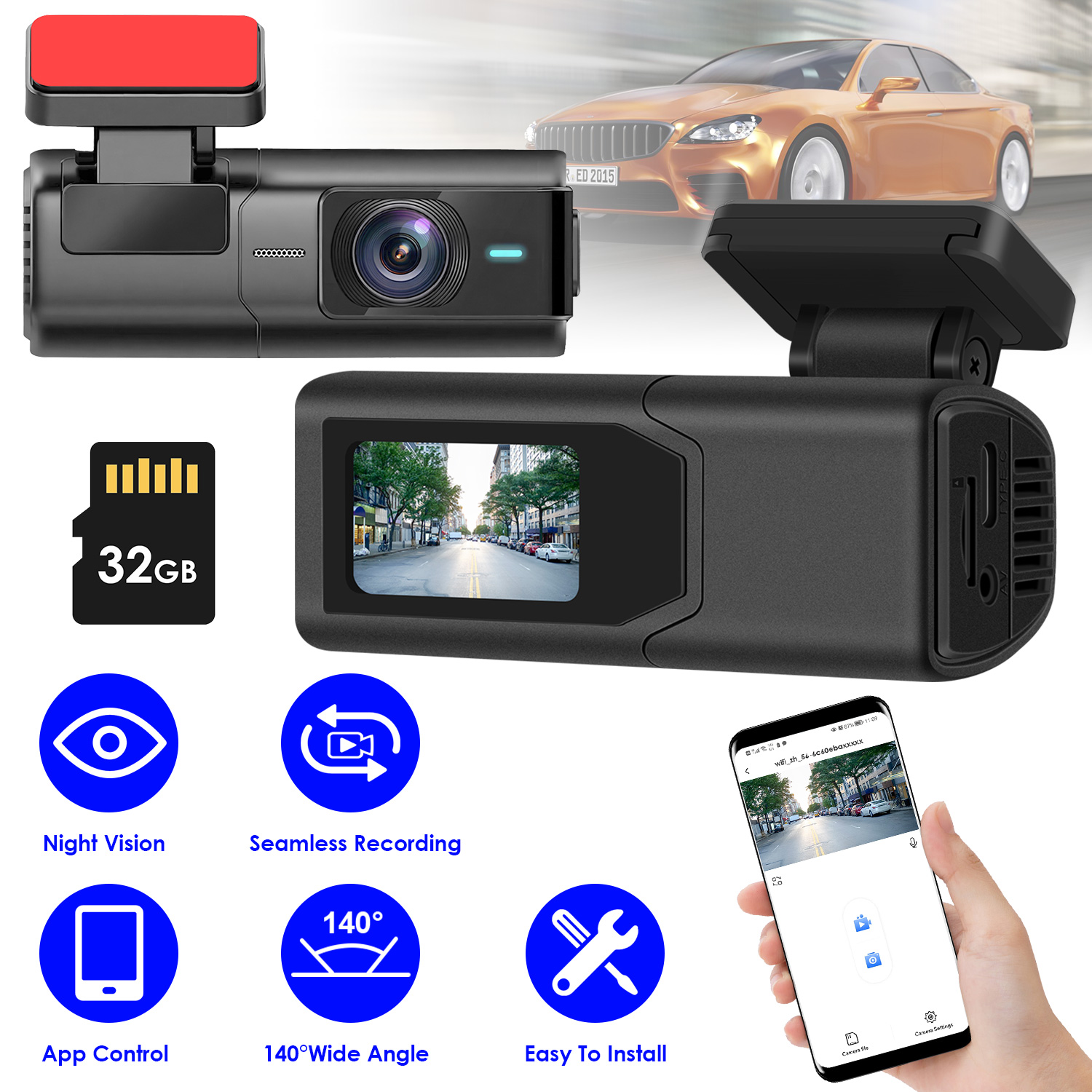 1Pc 2K HD Front Dash Cam For Car With IPS Screen Night Vision Loop Recording Included 32G Storage Card 140 Degree Wide Angle WiFi App Control Dashcam$42.99View on Mallflare
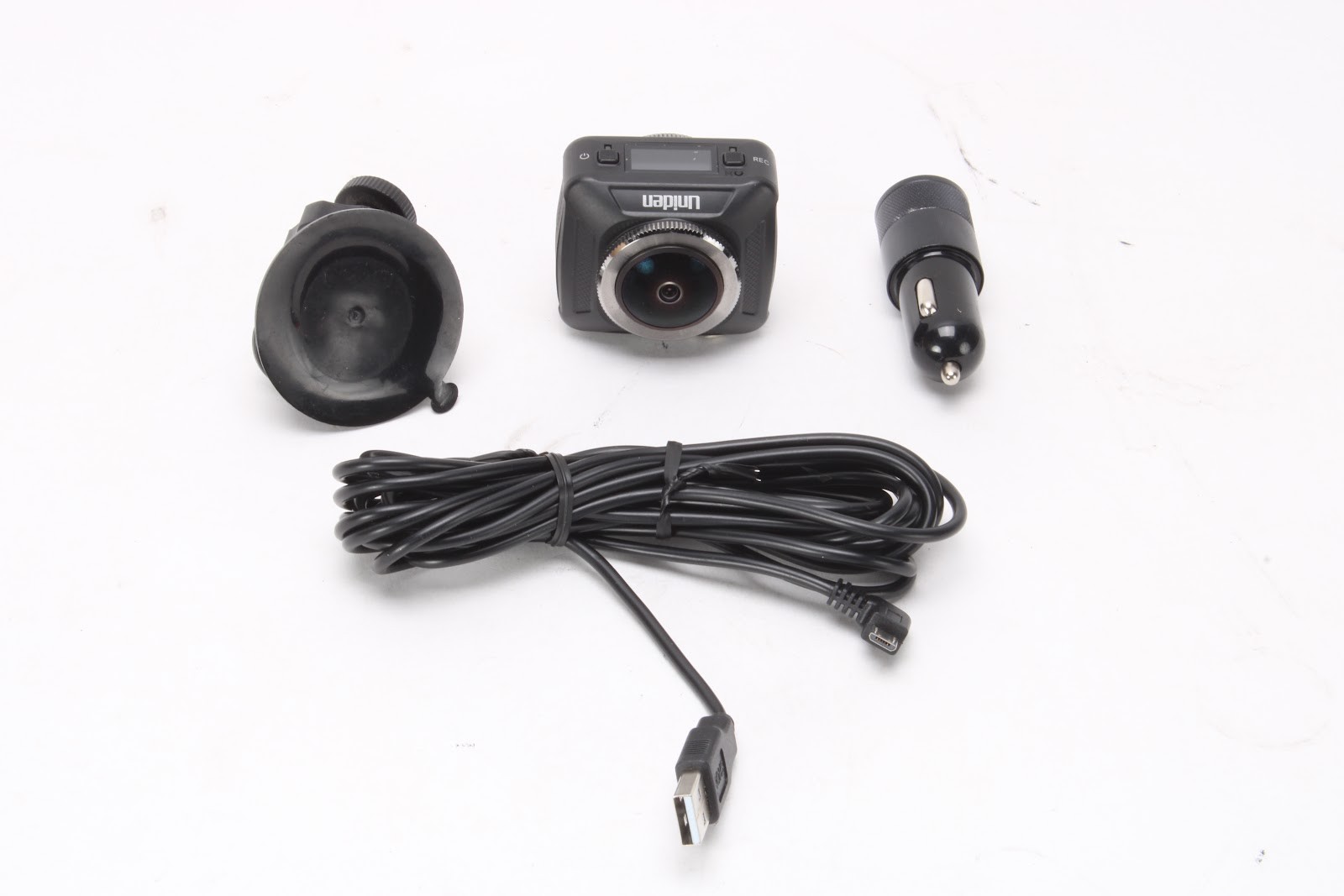 Uniden DC720 Dual Camera Lens Virtual 720° Automotive Dashcam With Accessories$22.80View on eBay
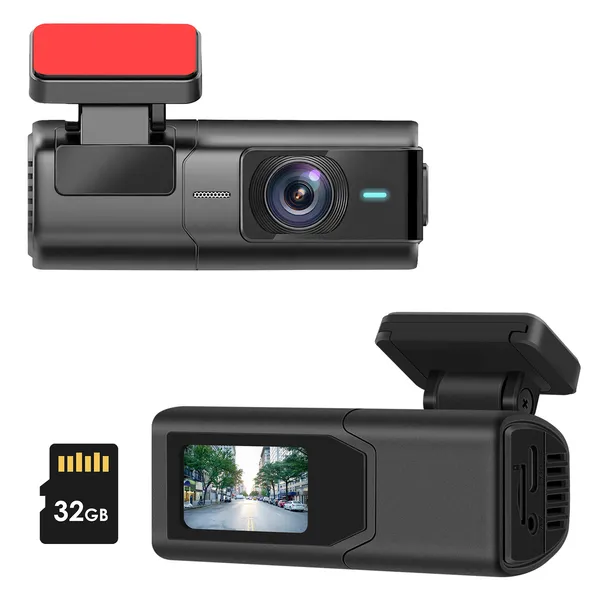 2K HD Front Dash Cam For Car With IPS Screen Night Vision Loop Recording Included 32G Storage Card 140° Wide Angle WiFi App Control Dashcam$55.99View on Mallflare
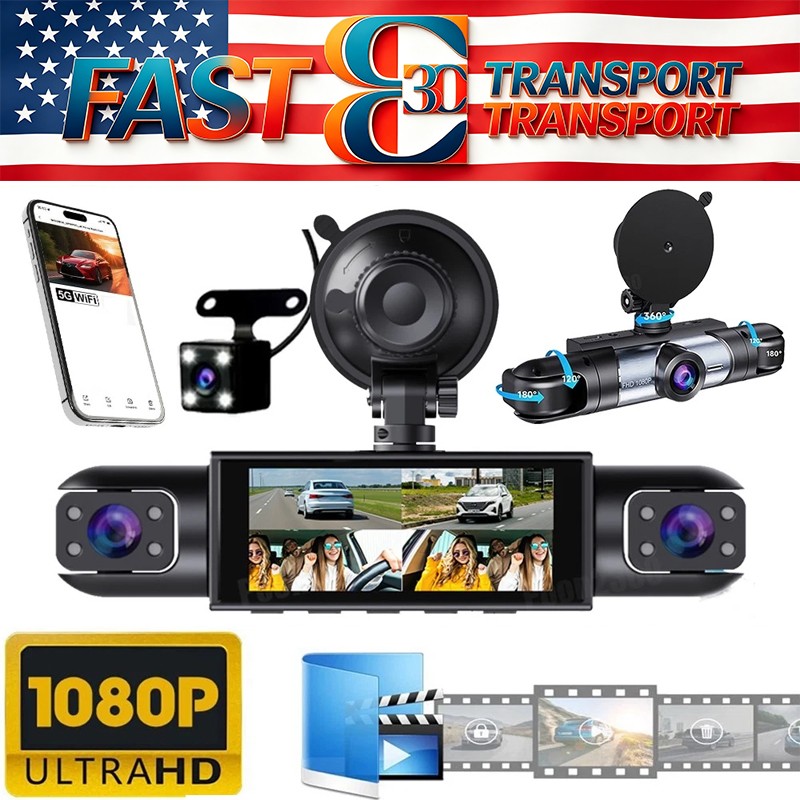 4-Channel Dashcam 360° 1080P Car Dash Cam Front Rear Inside Left Right -NO Card$26.31View on eBay
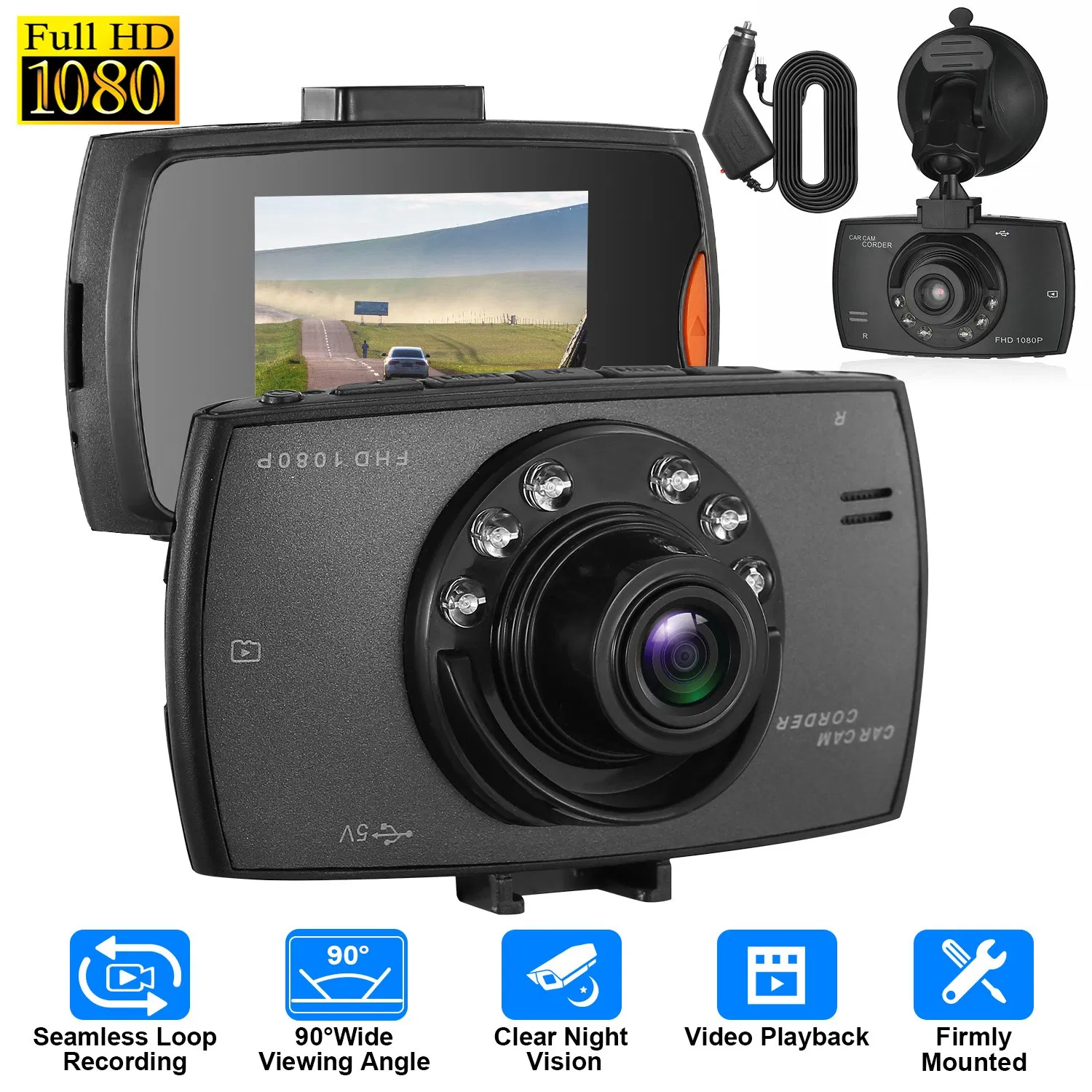 1080P Car DVR Camera Dash Cam Camcorder 90 Degree Angle Loop Recording Night Vison$24.99View on Mallflare
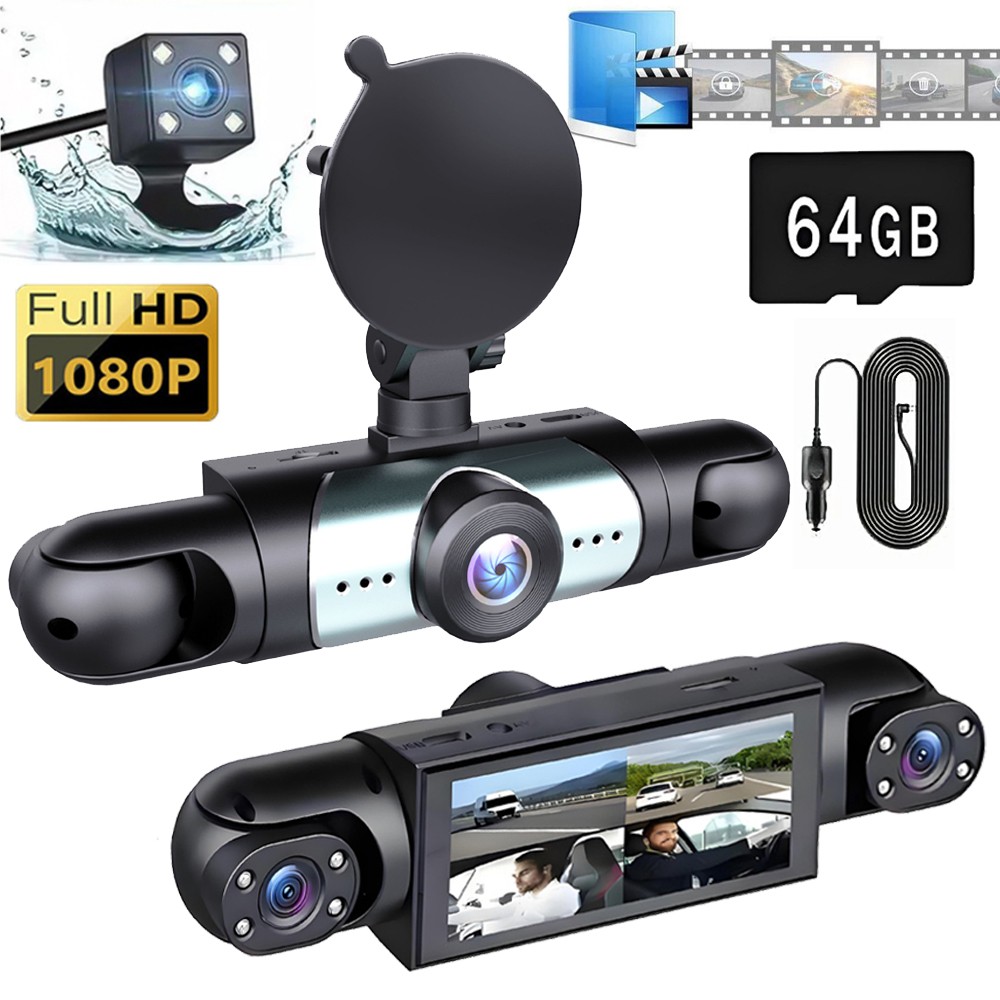 4-Channel Dashcam 360° 1080P HD Car Dash Cam Front Rear Inside Left Right$30.77View on eBay
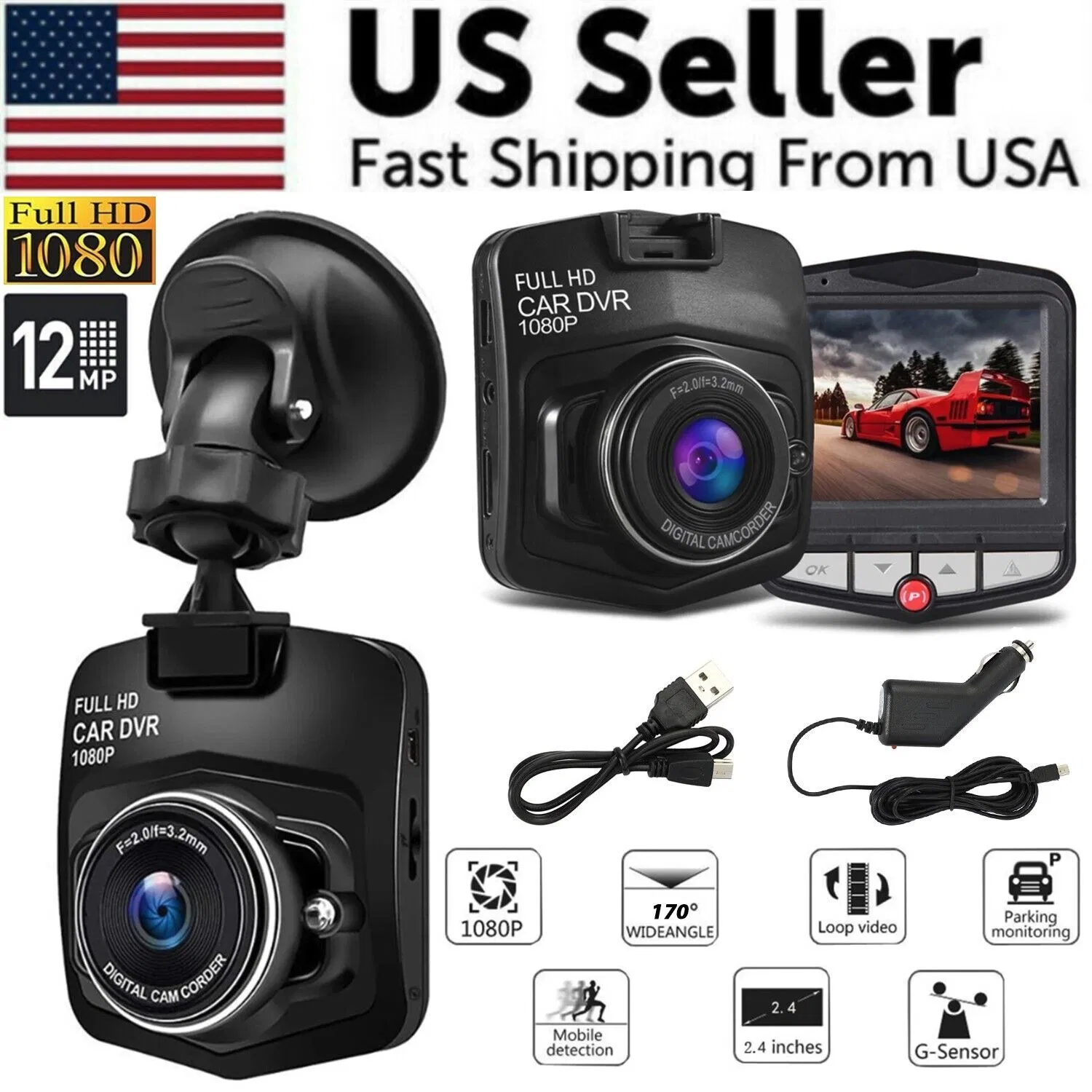 2.4'' Full HD 1080P Dash Cam Car DVR Front or Rear Camera Night Vision G-sensor$25.99View on Mallflare
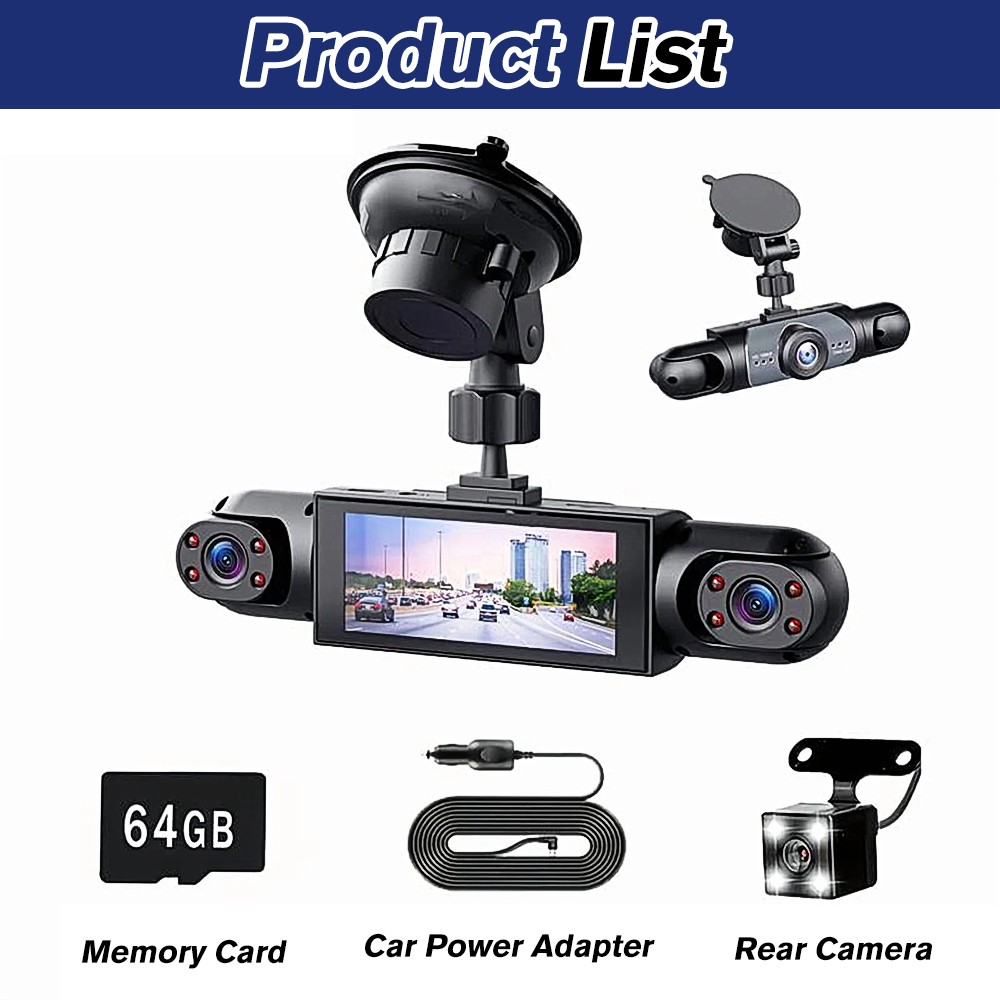 4-Channel Dashcam 360° 1080P HD Car Dash Cam Front Rear Inside Left Right$33.25View on eBay
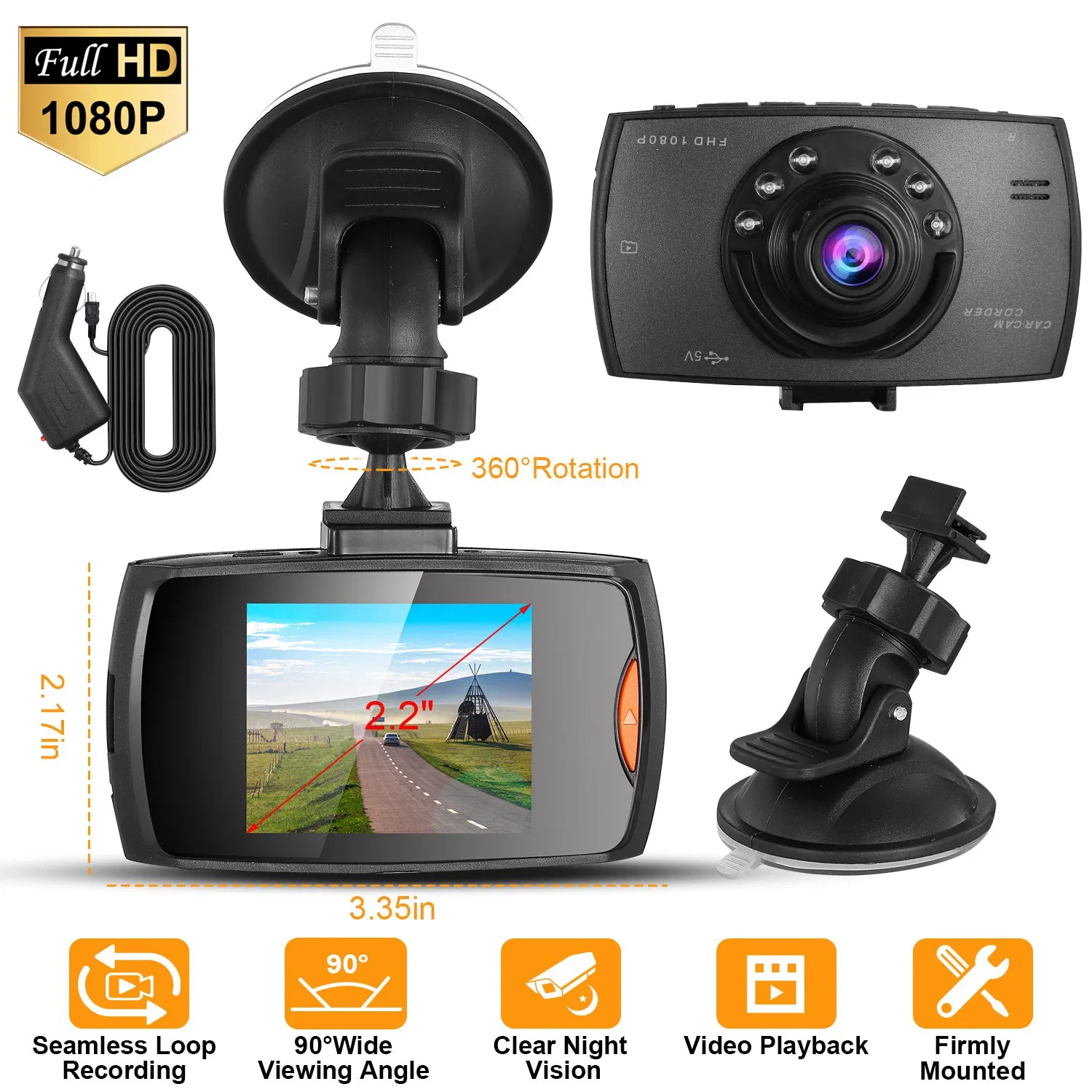 1080P HD Car Dash Cam, 90° Wide Angle Camera with Night Vision, 6 IR Lights, Loop Recording & Video Lock Function, Suction Cup Mount Long Cable$33.99View on Mallflare
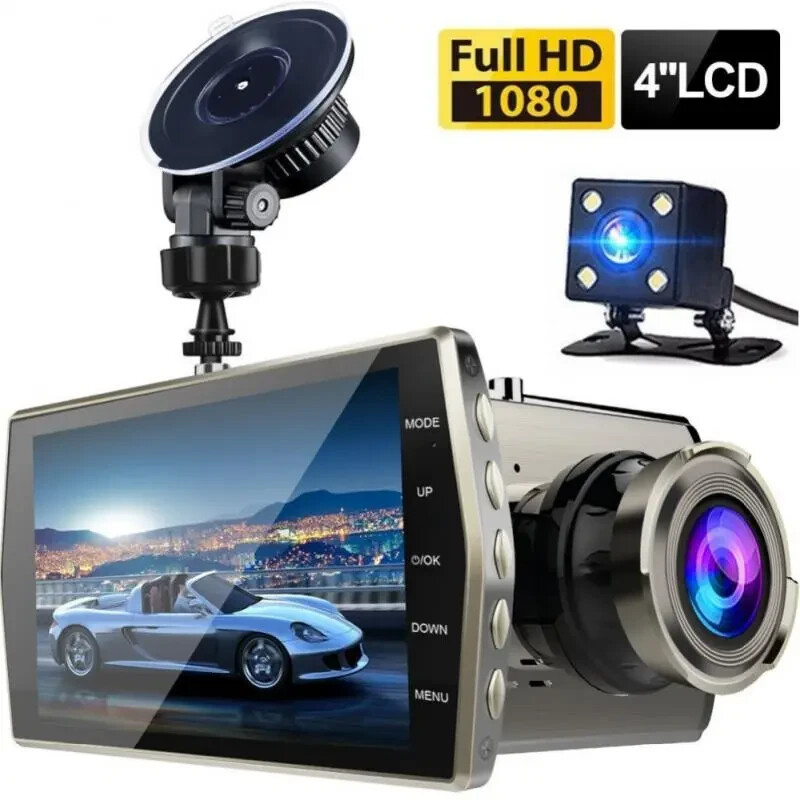 1080p Dashcam Loop Recording Car Interior Accessories Metal Shell Auto Recorder$34.99View on eBay
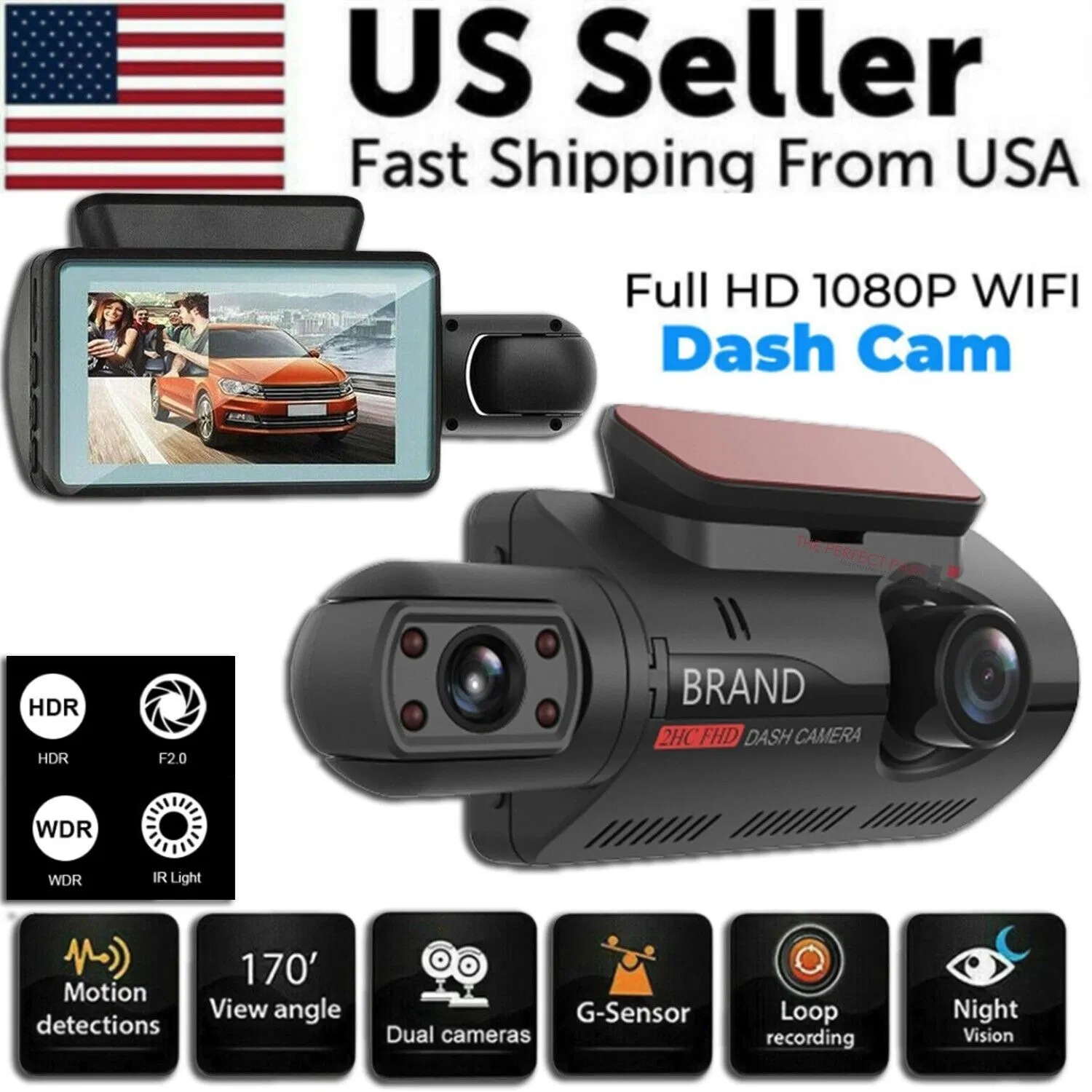 1080P Dual Lens Car DVR Dash Cam Video Recorder G-Sensor Front And Inside Camera$37.99View on Mallflare
- 4-Channel Dashcam 360° 1080P HD Car Dash Cam Front Rear Inside Left Right$35.00View on eBay
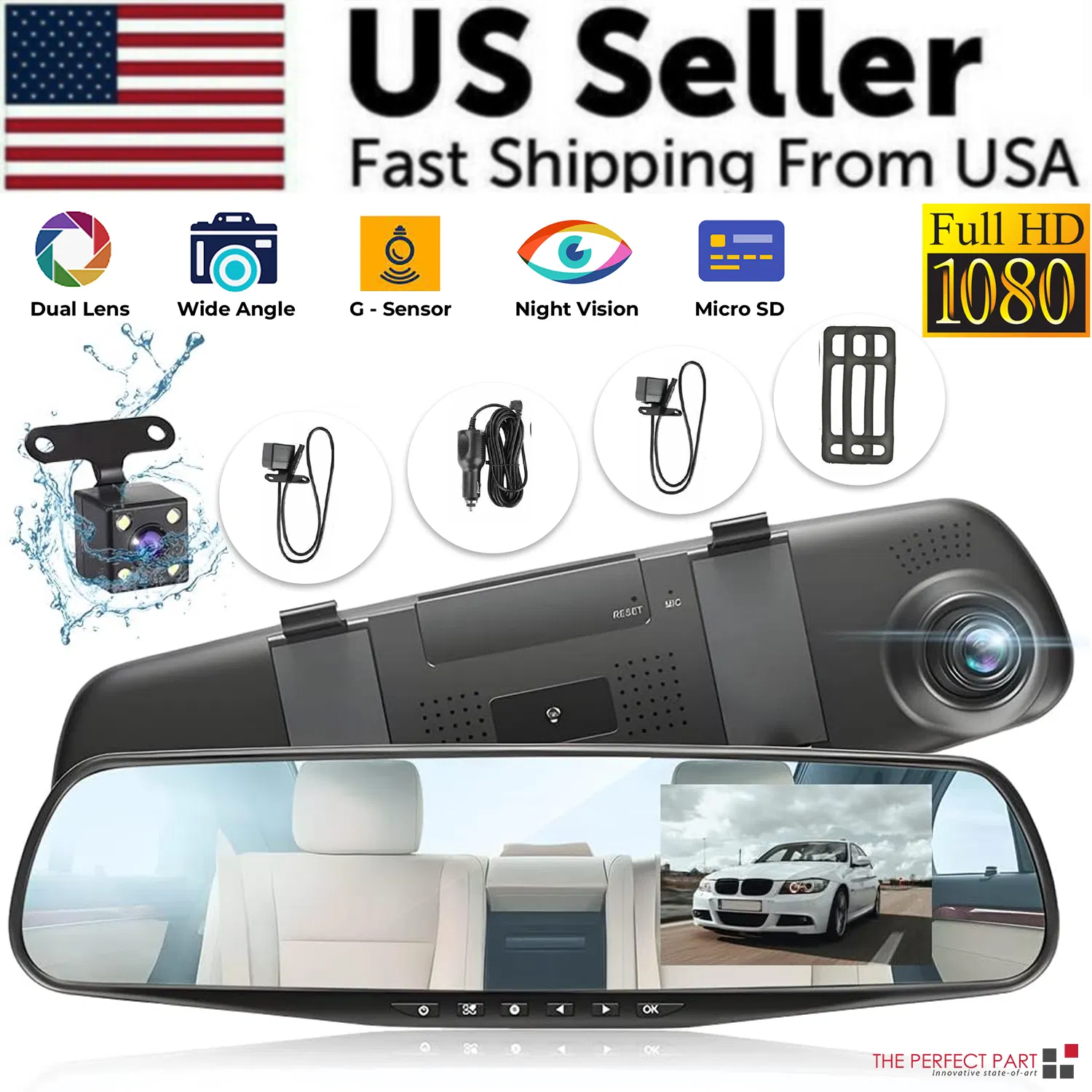 1080P HD Rearview Mirror Car DVR Dual Dash Cam Camera Front Rear Video Recorder$38.99View on Mallflare
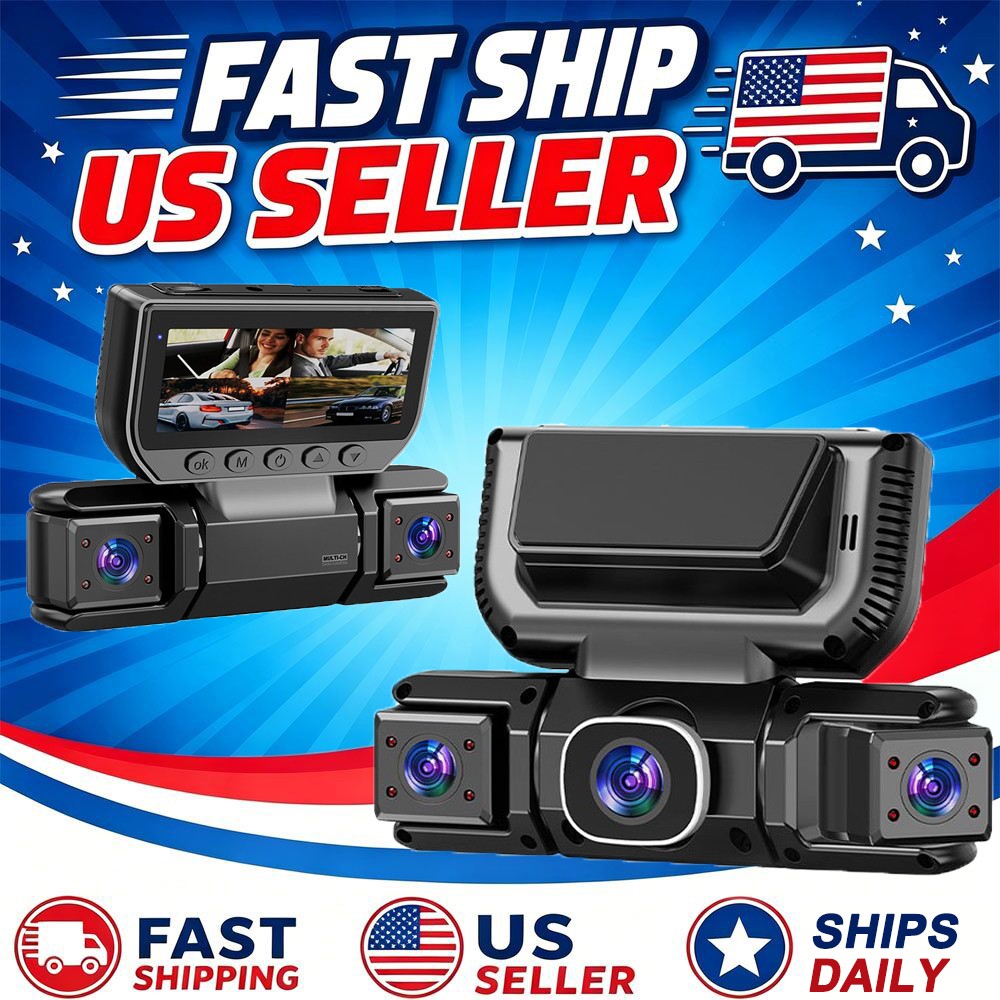 Wireless Dashcam Front and Rear Camera System,Rechargeable 360 1080P Dash Cam$37.96View on eBay
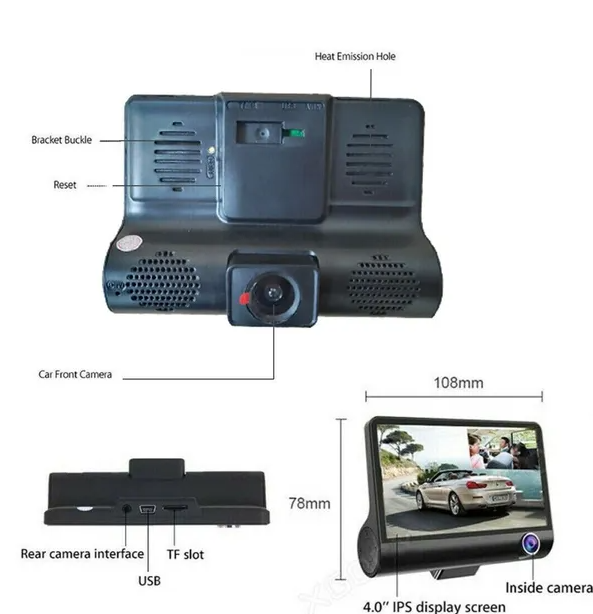 1080P 4 Dual Lens HD Car DVR Rearview Video Dash Cam Recorder Camera G Sensor$39.99View on Mallflare
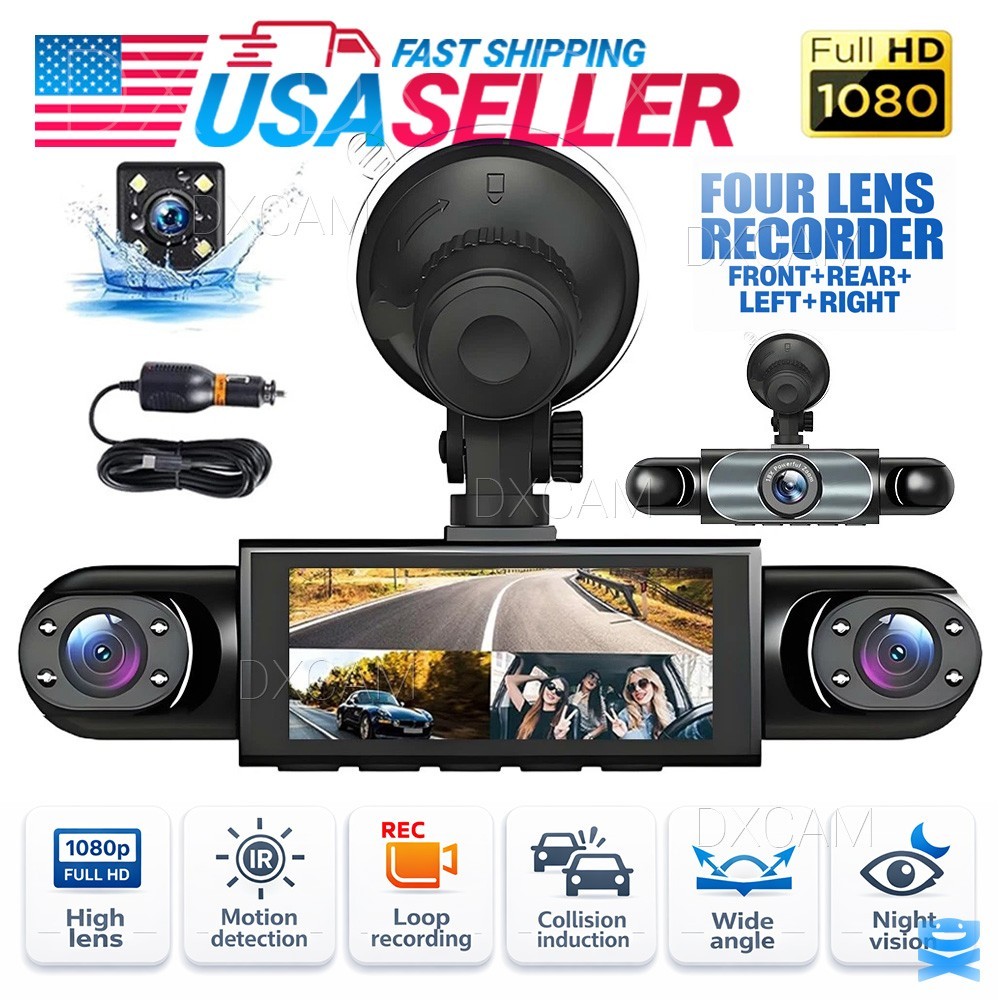 4-Channel Dashcam 360° 1080P HD Car Dash Cam Front Rear Inside Left Right$39.98View on eBay
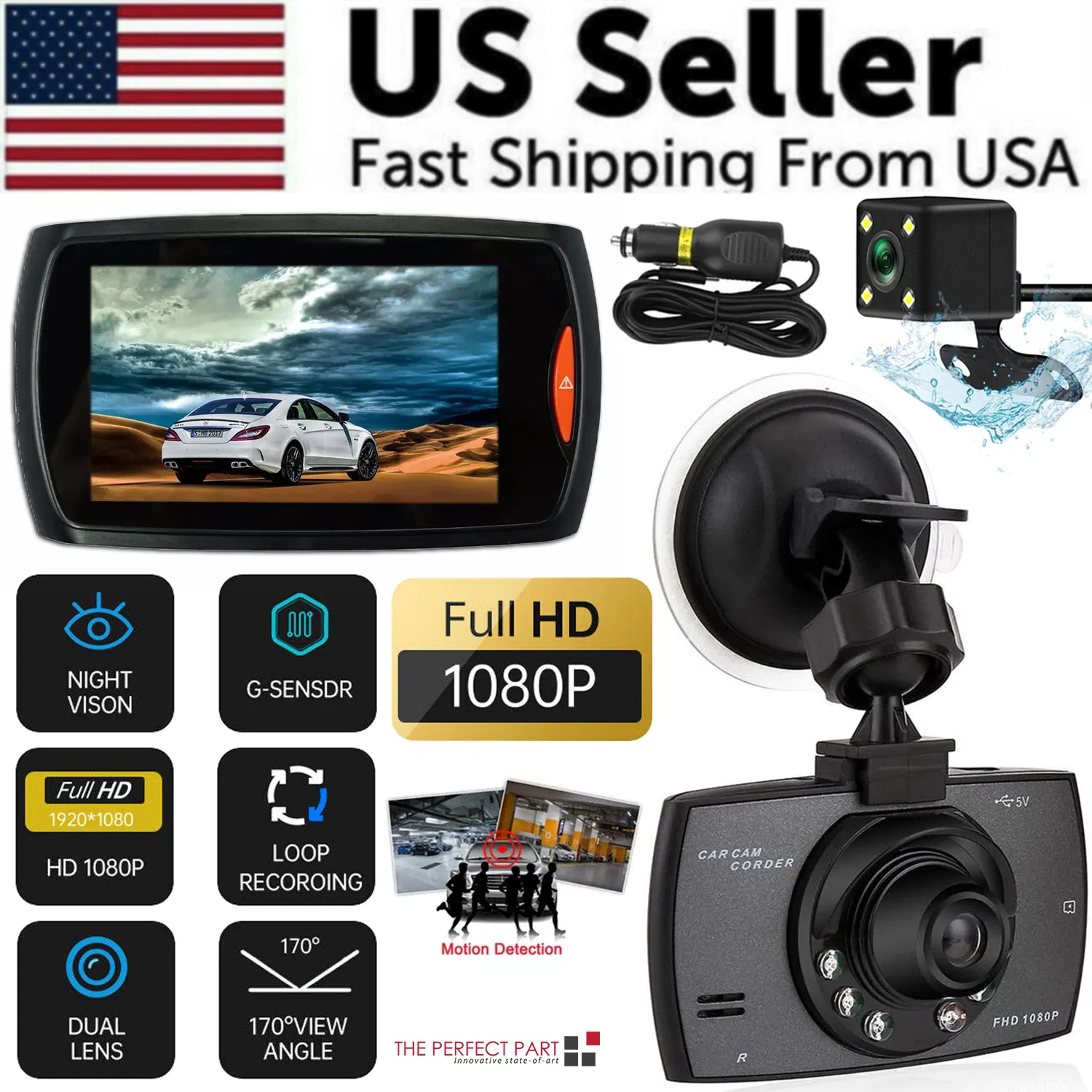 2.7'' Full HD 1080P Dash Cam Car DVR Front & Rear Camera Night Vision G-Sensor$44.99View on Mallflare
Highlights
- Recording tiers: 1080p single-channel is the reliability baseline; 2K offers plate-reading detail; 4-channel 360 systems split resolution and demand high-endurance cards.
- Power design: supercapacitors survive 85°C+ dashboard heat and last years; lithium-polymer batteries swell and fail in hot climates within 1-2 summers.
- Lens and sensor: f/1.8 or wider glass apertures and Sony STARVIS-class sensors double low-light plate capture versus f/2.4 plastic lenses.
- Wiring and parking mode: hardwire kits with low-voltage cutoff (11.8V/23.6V) enable 24h parking surveillance; USB-only power drops parking mode entirely.
Best use cases
- Rideshare and delivery drivers: pick a 2-channel 1080p+ cabin-facing camera with IR cabin LEDs and capacitor power; skip single-channel 4K units that overheat and miss the rear passenger view.
- Pickup trucks and SUVs: choose a wide 140-degree front unit with CPL filter and 3M adhesive mount rated for vibration; skip suction mounts that sag on textured or curved glass.
- Budget commuters: a 1080p single-channel with 90-140 degree lens and loop recording covers liability basics; skip 4-channel 360 kits whose per-camera 1080p is interpolated and card-stress heavy.
- Cold-climate or covered-parking owners: supercapacitor models with hardwire kit; skip battery models that die below -10°C and lose time/date on every cold start.
Buying tips
- Match channel count to need: 1CH front for liability, 2CH front+cabin for rideshare, 2CH front+rear for rear-end claims, 3-4CH only if you accept lower per-camera resolution and 128GB+ high-endurance cards.
- Insist on a supercapacitor and a wide f/1.8-or-better glass lens; plastic lenses haze and battery cells swell after one hot summer in a sun-exposed windshield.
- Choose 140-160 degree diagonal field of view for front coverage; 90-degree units miss cross-traffic and side impacts at intersections.
- Budget a high-endurance microSD (64-128GB, U3/V30) and format monthly; standard cards fail within months under loop-recording write cycles.
Specs
| Channel Count | 1CH front to 4CH 360 |
|---|---|
| Power Type | Supercapacitor vs Li-ion |
| Lens Aperture | f/1.8 or wider glass |
| Field of View | 90-160 deg diagonal |
Related searches
What to check before buying
- Measure windshield clearance behind the mirror; a 3.16-inch IPS screen unit needs roughly 3x3 inches and must not sit in the driver's sightline or airbag zone.
- Confirm your socket stays live with the ignition off if you want parking mode; otherwise plan a fused hardwire kit with low-voltage cutoff.
- Check cabin camera placement for rideshare: it must see both rear footwells without blocking the mirror or sun visor.
- Verify microSD slot rating and max capacity (32GB vs 128GB+); 4-channel and 2K modes require U3 cards to avoid dropped frames.
FAQ
Data sources: eBay / Amazon listings and product attribute feeds Data updated Nov 15, 2026.
Some links on this page are affiliate links. If you buy after clicking one, we may earn a commission at no extra cost to you. This does not change which products appear here or their order. Affiliate disclosure.