Photos from current listings. Actual item, color, and included accessories may vary.
LED Light Buying Guide
LED light upgrades cover two distinct jobs: plug-in replacement bulbs for existing sockets (interior, license plate, turn/brake) and auxiliary lamps (light bars, pods, rock lights) for exterior visibility. The decisive trade-off is socket compatibility and thermal design: a 194/T10 wedge bulb that physically fits but uses an unfiltered high-output emitter will flicker, hyperflash, or overheat, while a properly rated CANbus-ready or resistor-equipped bulb performs reliably. Buy replacement bulbs by confirmed base type and voltage, and buy auxiliary LED lamps by IP rating, beam pattern, and wiring harness amperage—anything else is a compromise.

At a glance
- Category
- Automotive Lighting
- Data updated
- Nov 15, 2026
Current offers
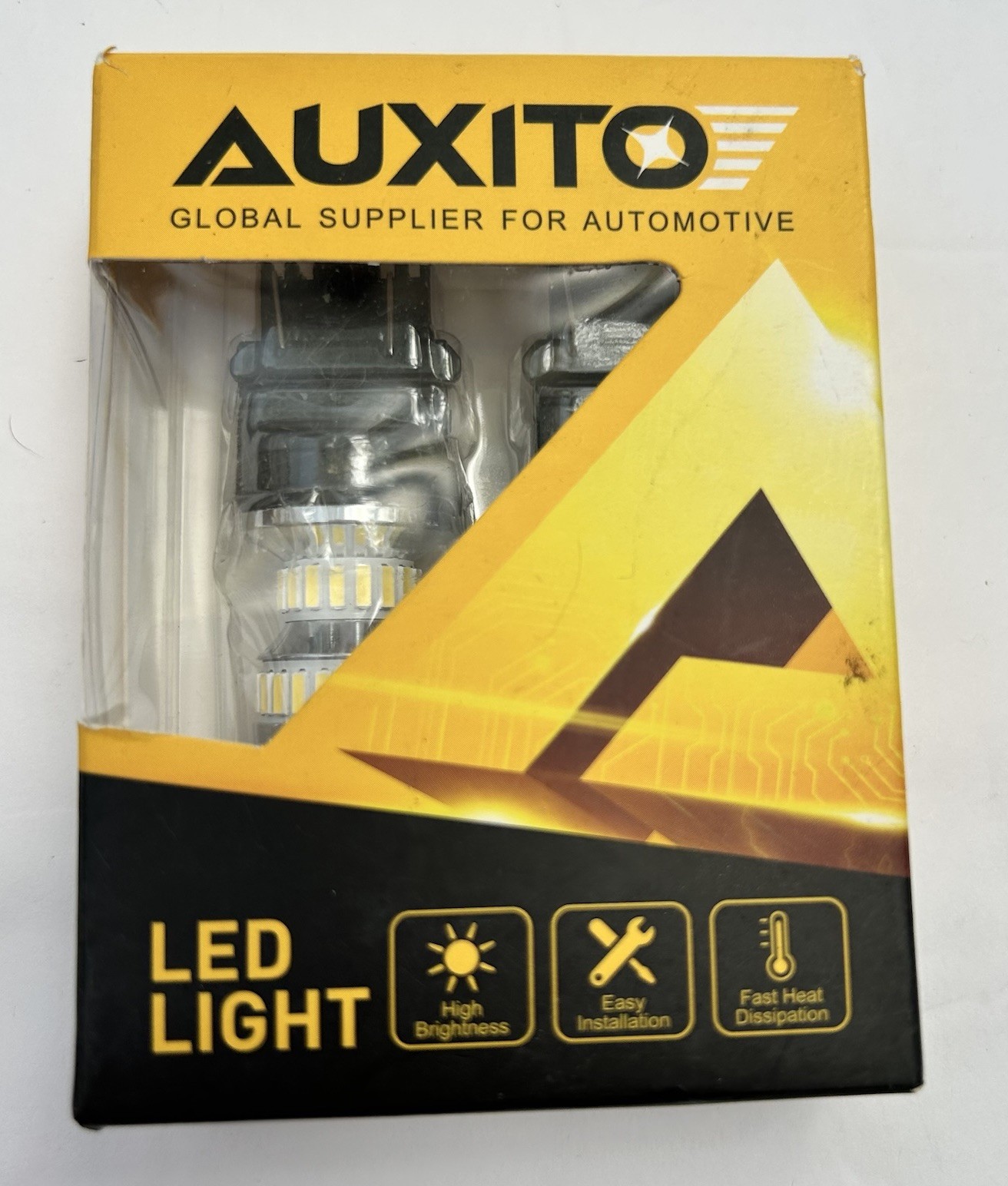 New Open Box Auxito 2 Pack Automotive Led Lights White T25/3157/3156 Car Parts$14.00
 View on eBay
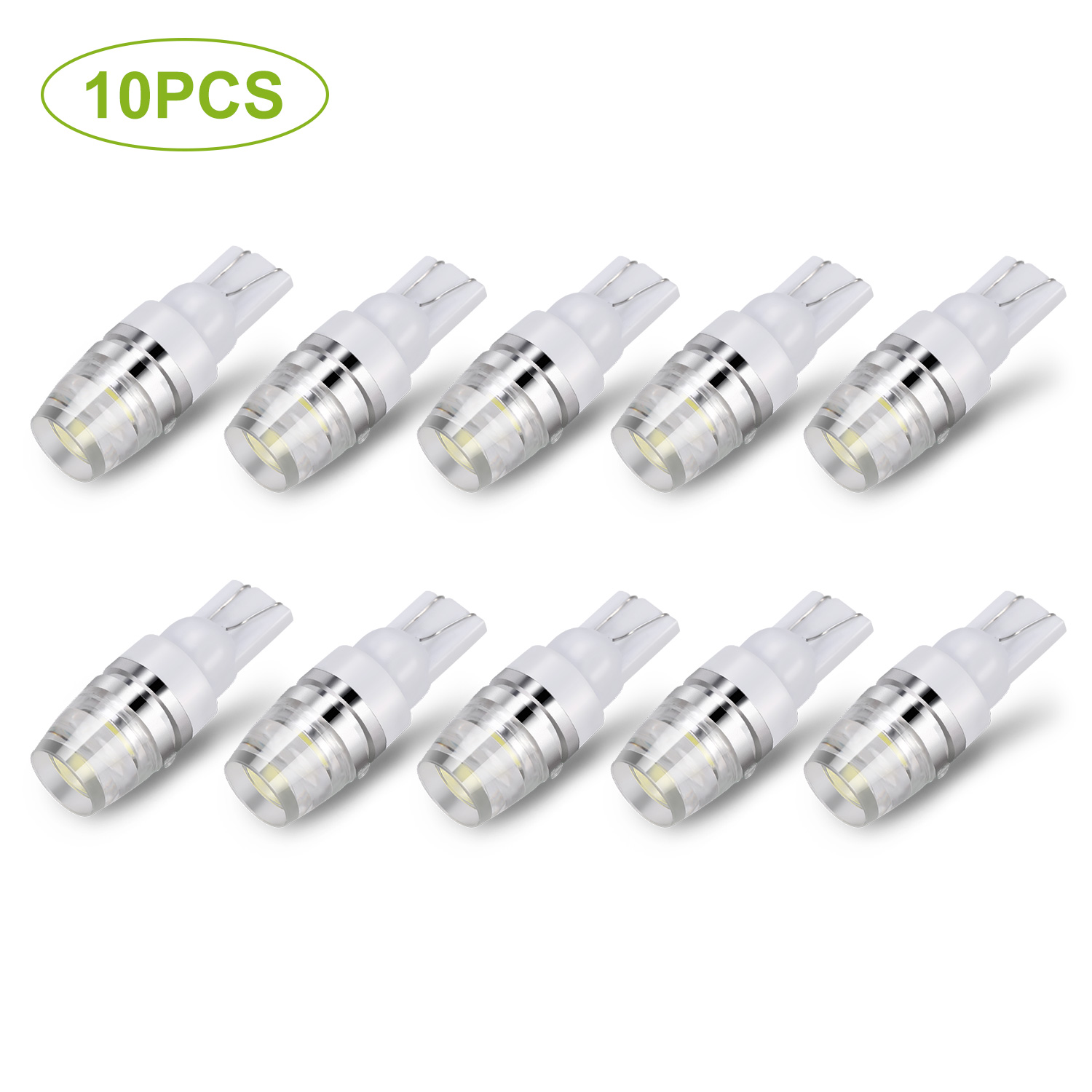 10PCS T10 LED Bulbs 194 LED Lights 12V 1W 5730 Xenon White Wedge Base LED Replacement For License Plate Parking Position Interior$12.99
 View on Mallflare
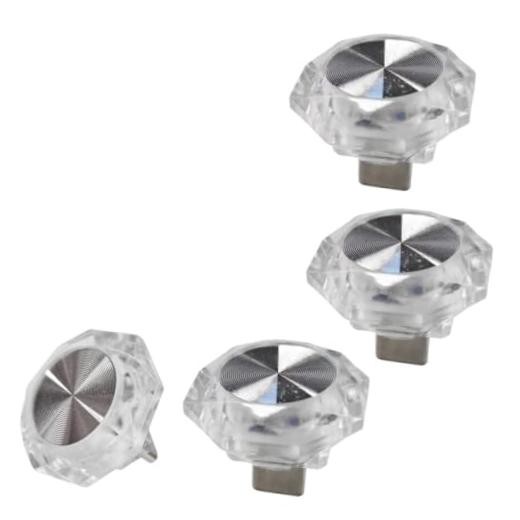 Car USB Type C Mini LED Light, Portable Automotive Ambient Lighting 4PCS$18.26View on eBay
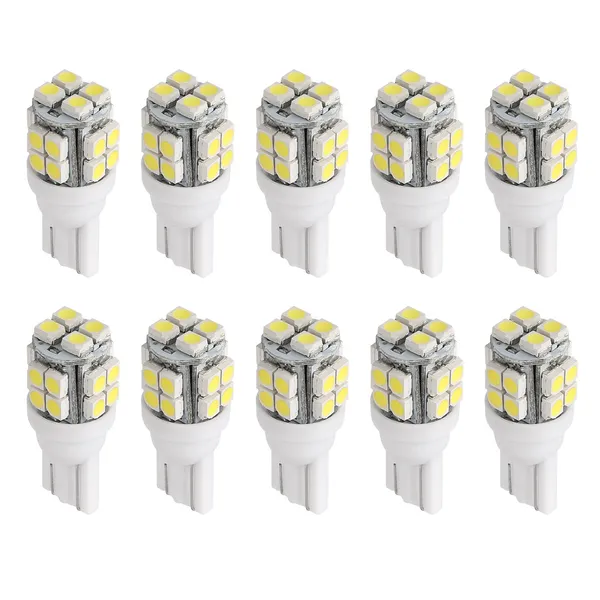 10Pcs 12V T10 LED Light Bulb Wedge Base Interior Dome Map LED Lights License Plate Trunk Side$18.99View on Mallflare
 LED Light for Car | Sign | Accessories USB Cable/Vehicle Accessories | Light Car$21.74View on eBay
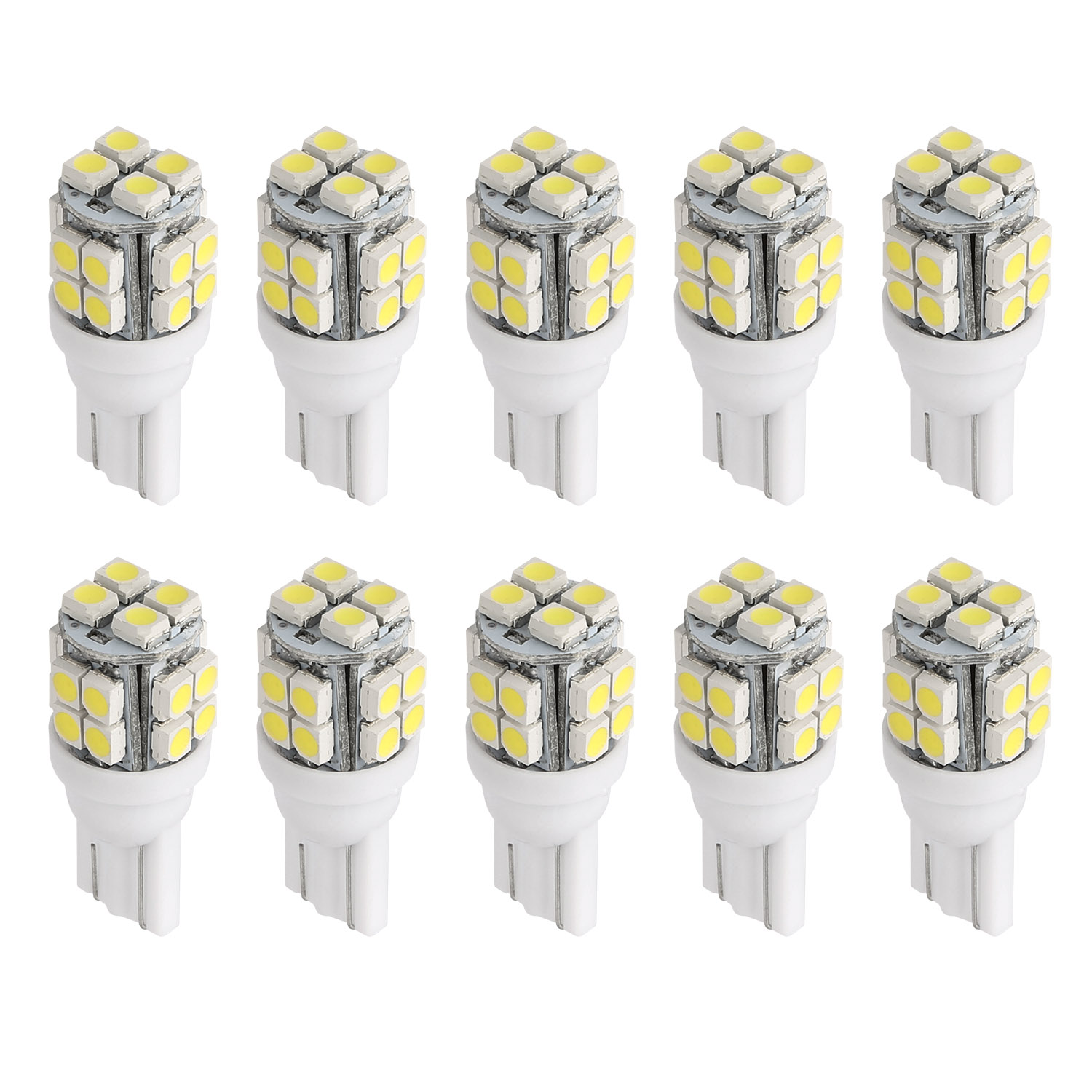 10Pcs 12V T10 LED Light Bulb Wedge Base Interior Dome Map LED Lights License Plate Trunk Side Positioning 6000K White$20.99View on Mallflare
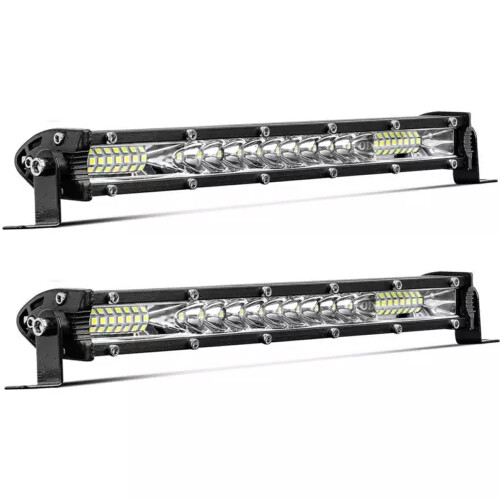 12inch LED Light Bar Spot Flood Combo for Truck ATV 4WD Jeep Offroad Driving 2PK$22.99View on eBay
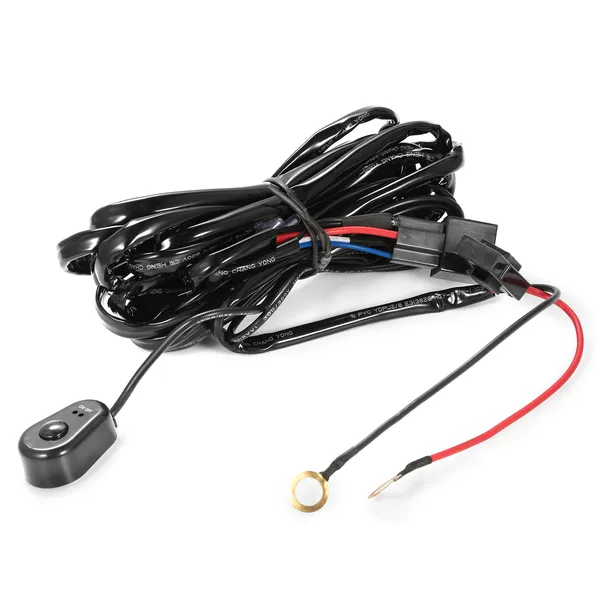 LED Light Bar Wiring Harness Kit 280W 12V 40A Power Relay Fuse On Off Switch 10ft Length Universal Fitment Bar Accessories$30.99View on Mallflare
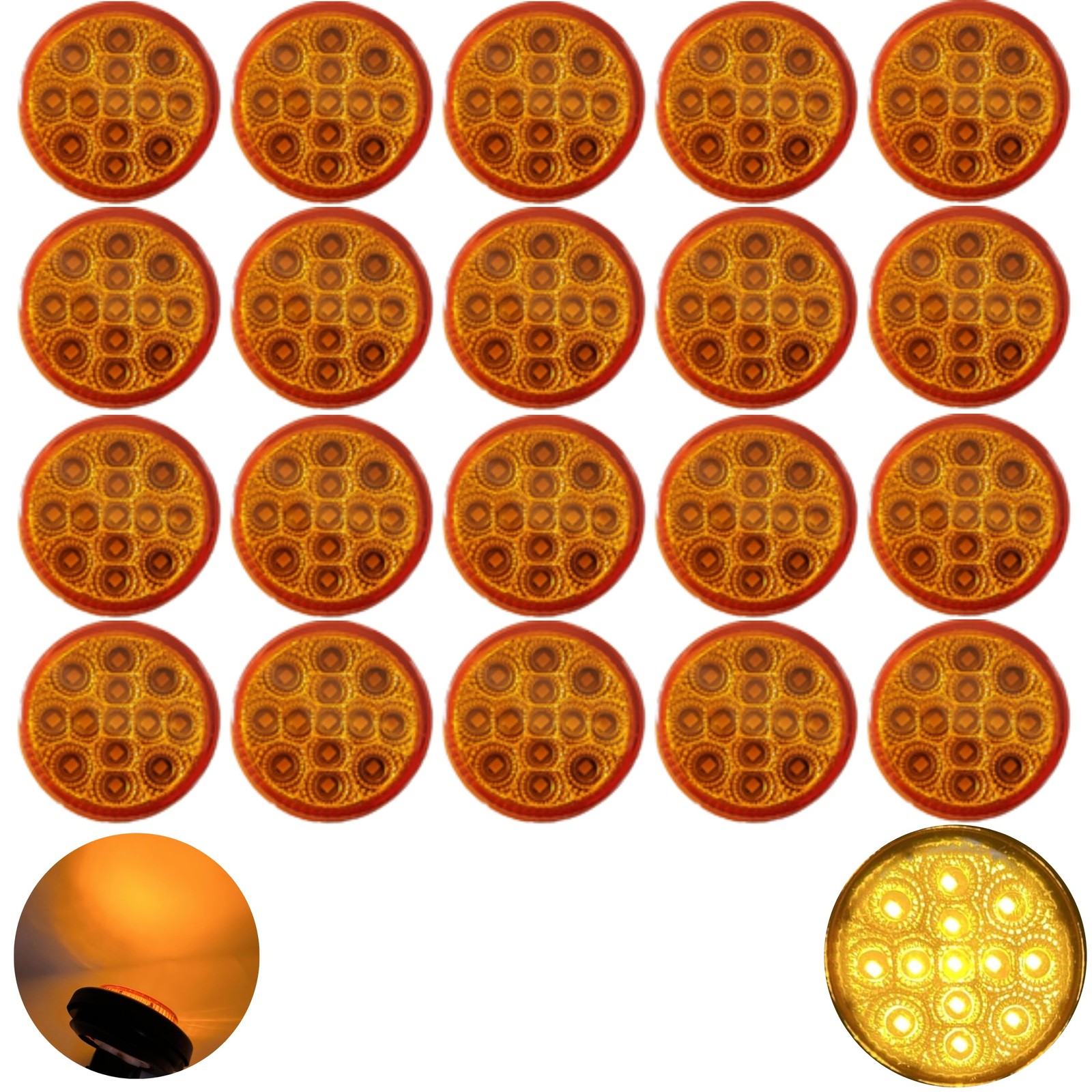 All Star Truck Parts 2" Round Amber/Red 13 LED Light Side Marker Clearance$73.50View on eBay
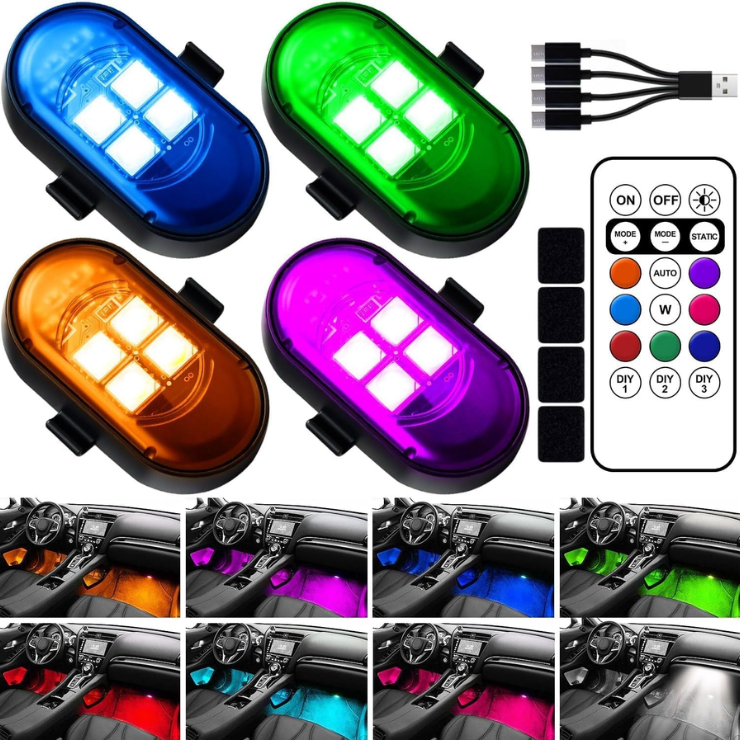 Wireless LED Lights For Car, Rechargeable Interior Car$62.99View on Mallflare
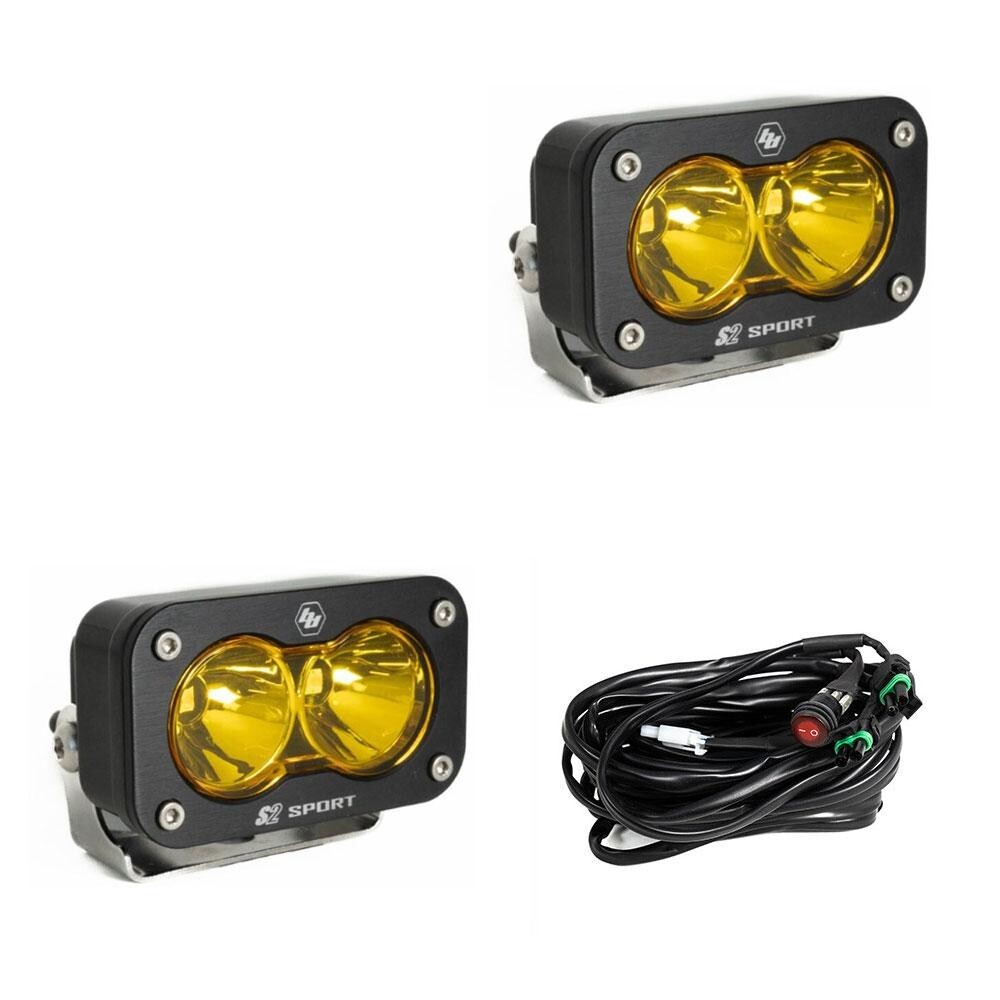 Baja Designs S2 Sport Universal Pair Spot LED Lights Amber$243.95View on eBay
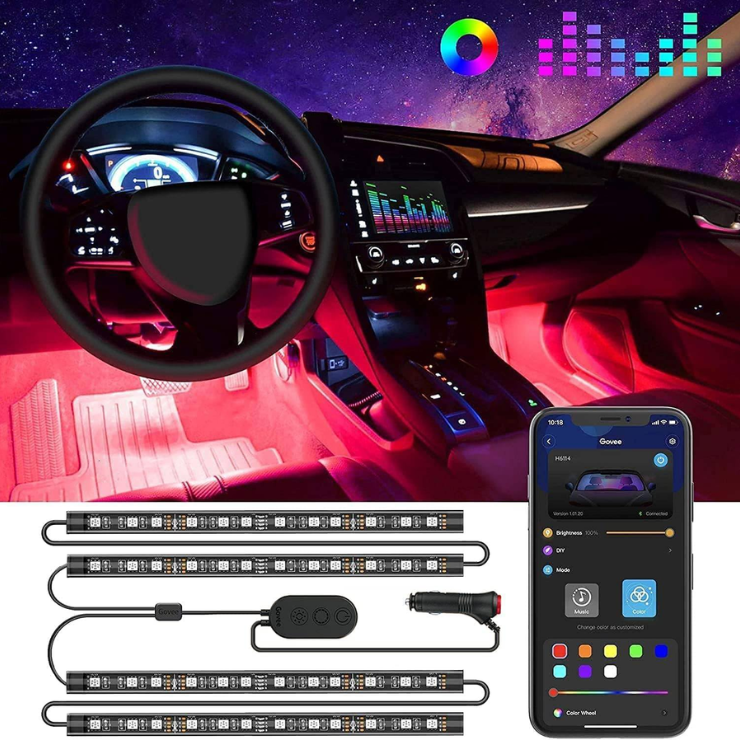 Govee Car LED Lights, RGB Smart Car Interior App Control$63.99View on Mallflare
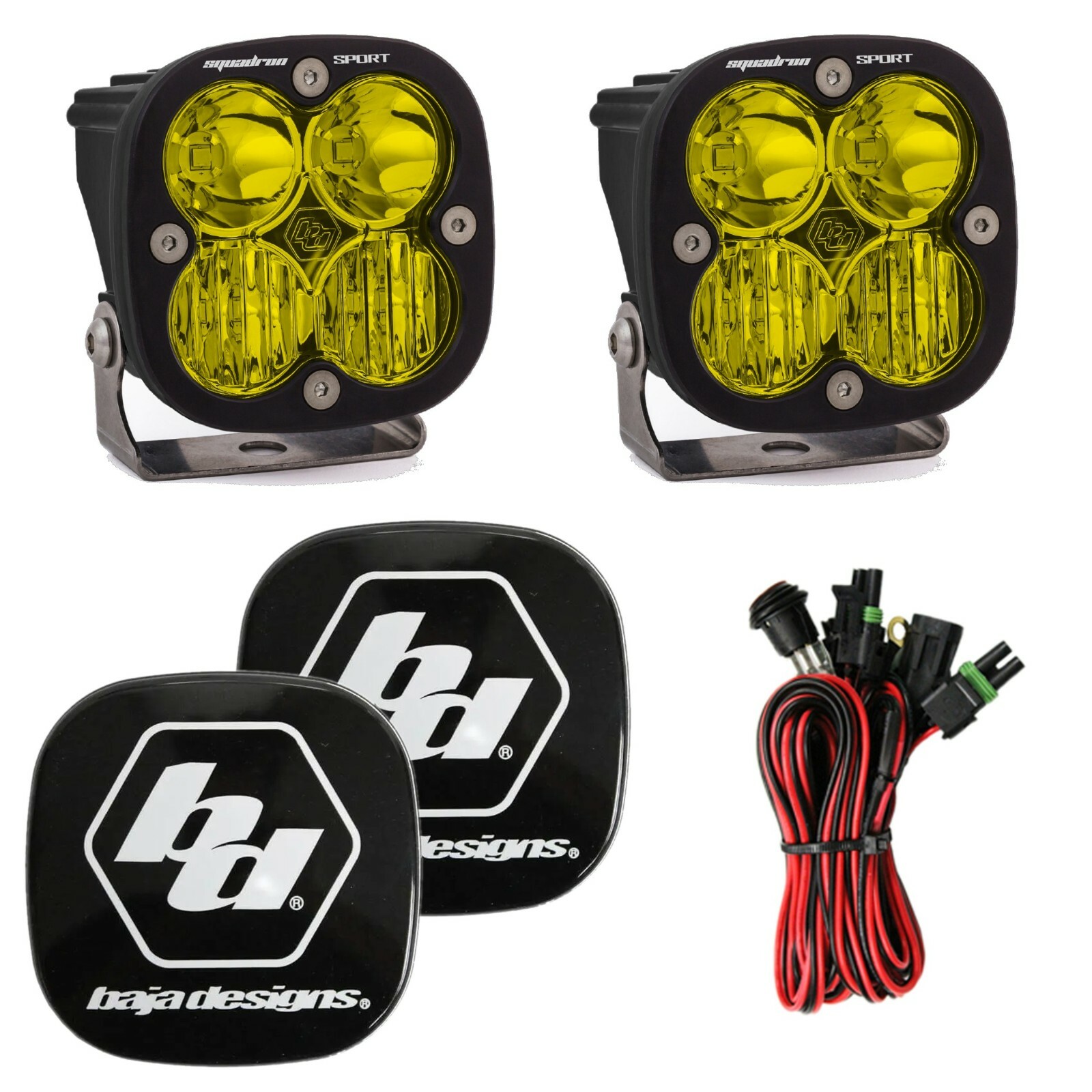 Baja Designs Squadron Sport Driving-Combo Amber LED Lights Pair W/ Rock Guards$339.95View on eBay
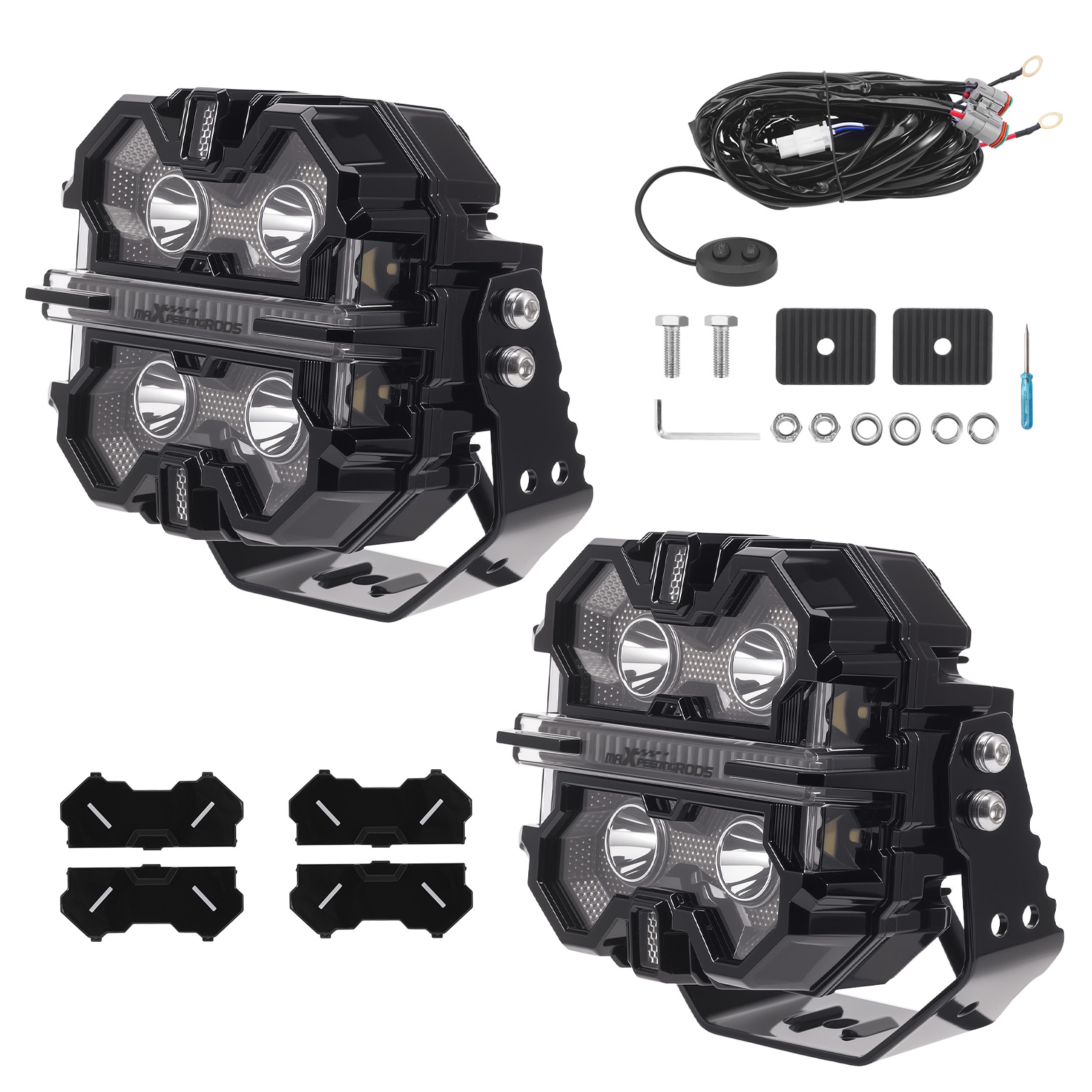 Pair Off Road LED Light Pods 5" 212W Spot Side Shooter RGB DRL White Amber 12V$321.99View on Mallflare
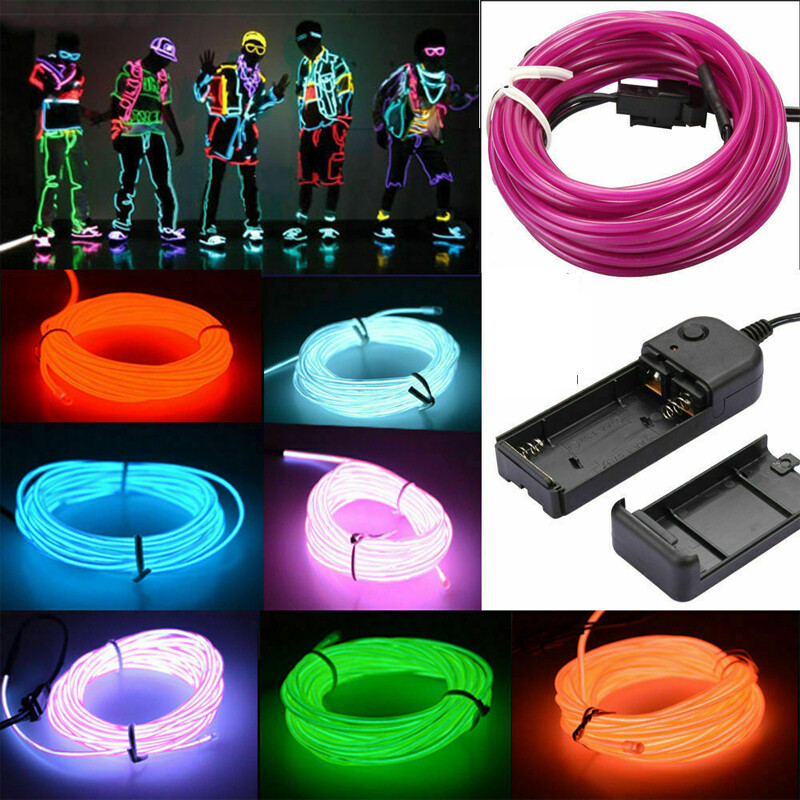 Car Interior Atmosphere Wire Auto Strip Light LED Decor Lamp Accessories$7.99View on eBay
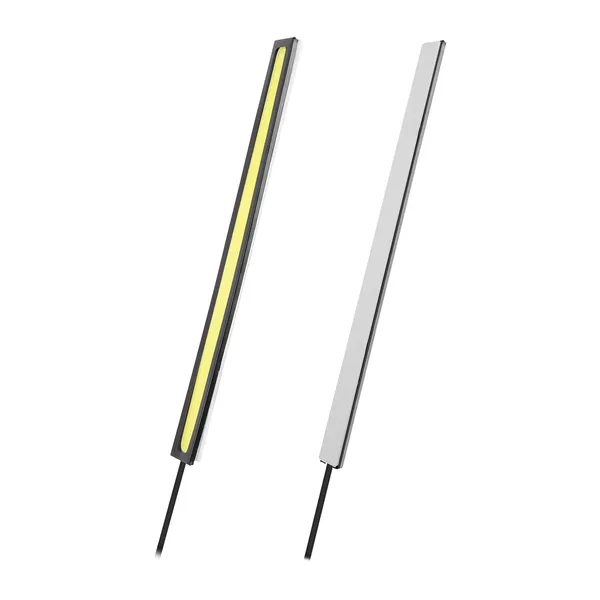 2Pcs LED Daytime Running Lights Car LED COB DRL Fog IP45 Waterproof LED Strip Fog Day Driving Lamp Sticker For 12V Car Interior Exterior Use$15.99View on Mallflare
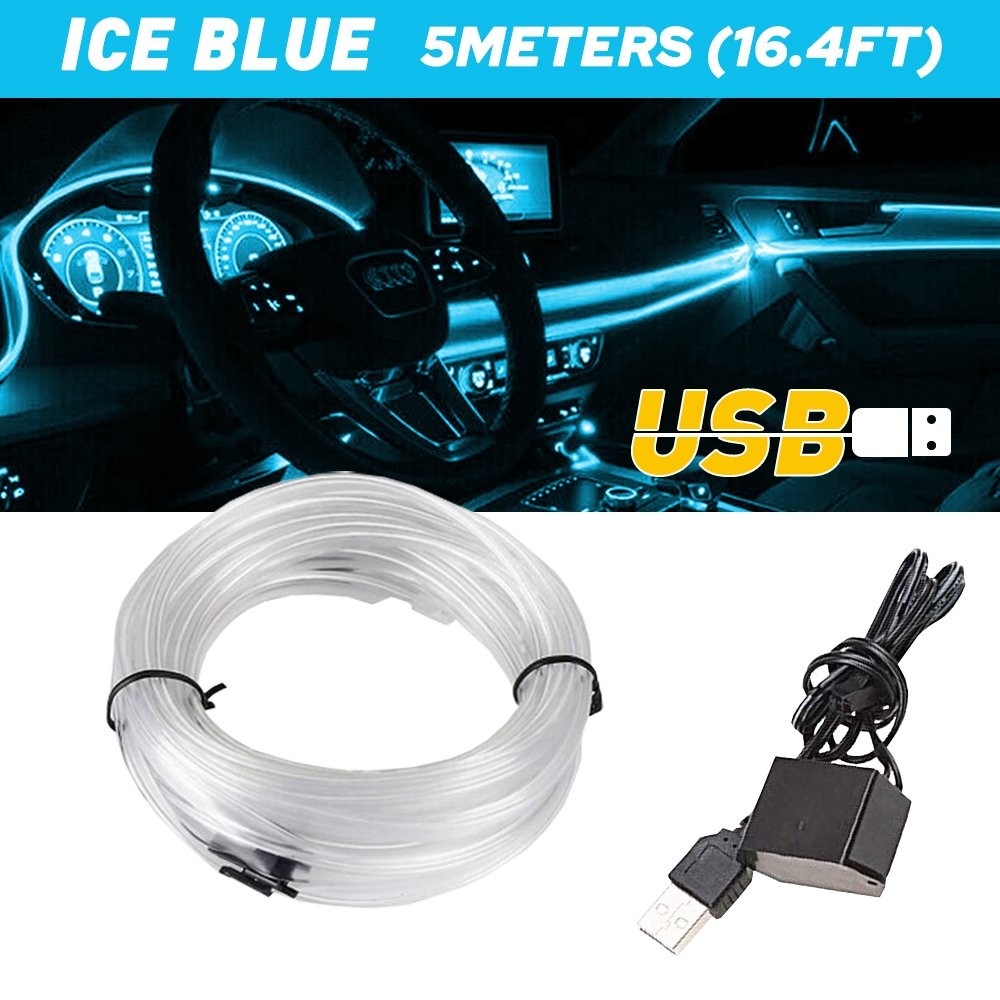 5M USB Car Atmosphere Strip Wire Light LED Decor Lamp Accessories Cool Blue NEW$8.99View on eBay
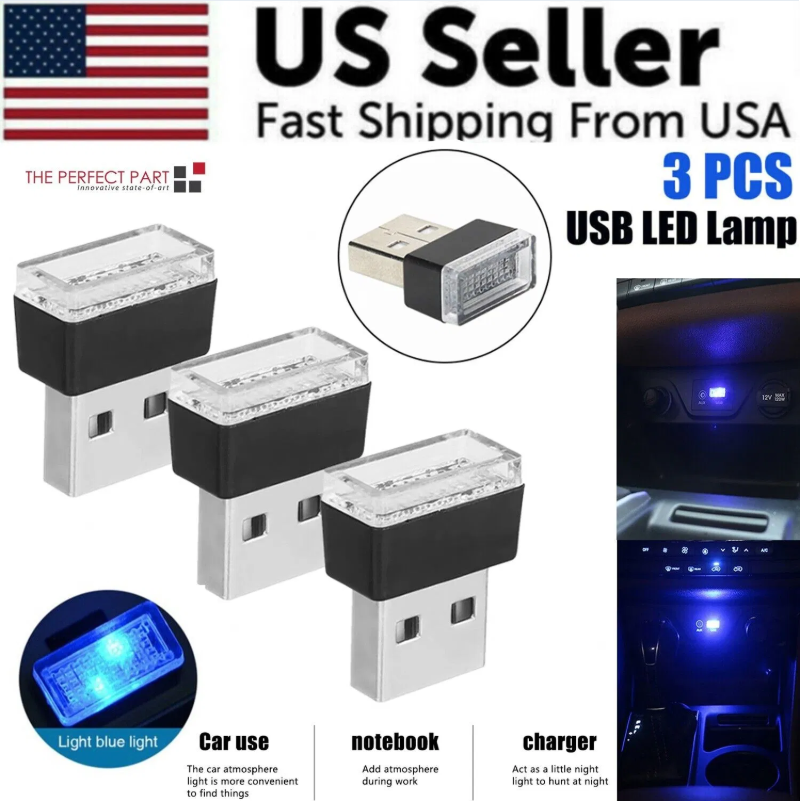 3x Mini Blue LED USB Car Interior Light Neon Atmosphere Ambient Lamp Accessories$16.99View on Mallflare
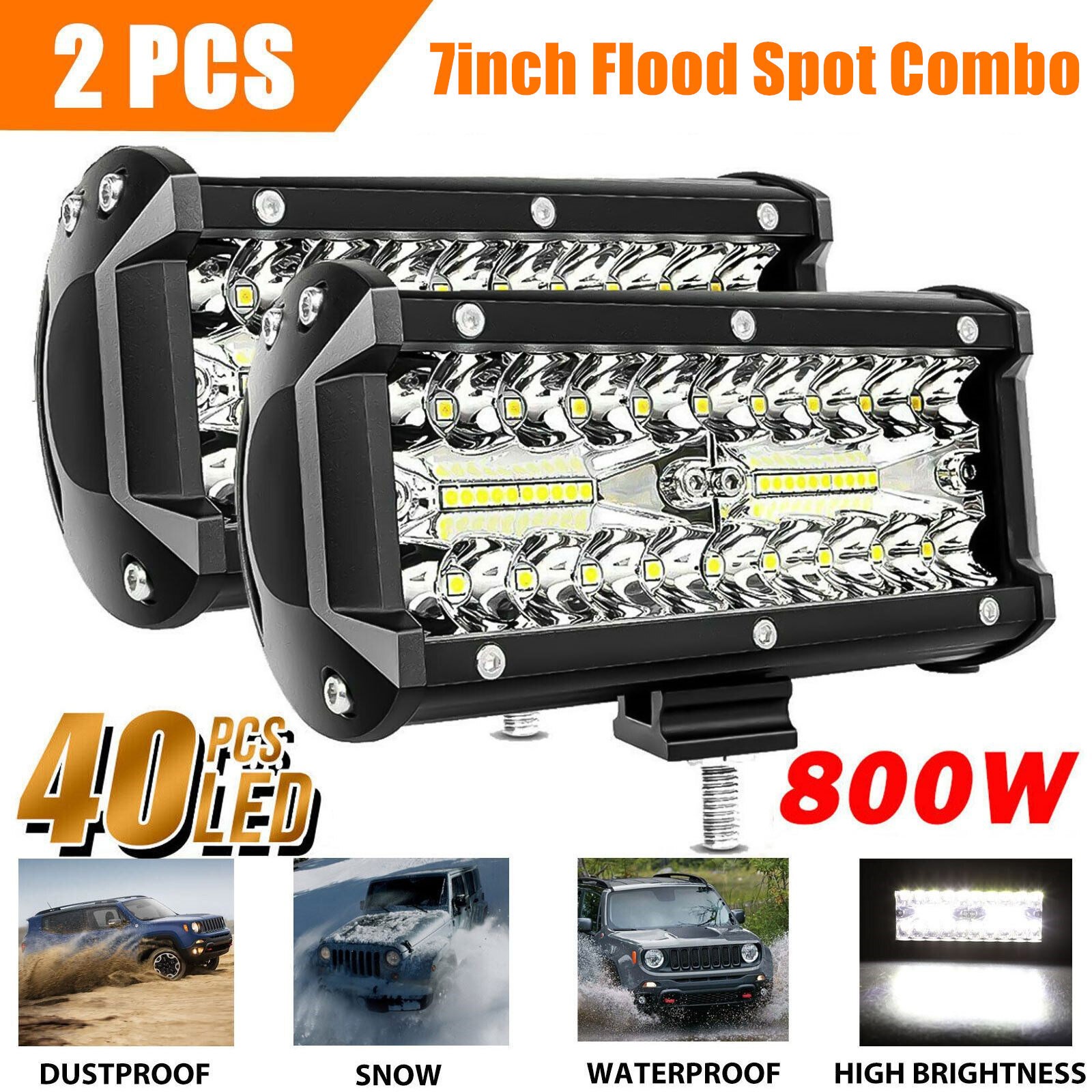 2x 7inch 30000LM LED Work Light Bar Flood Spot Pod Offroad Fog Driving ATV Truck$9.89View on eBay
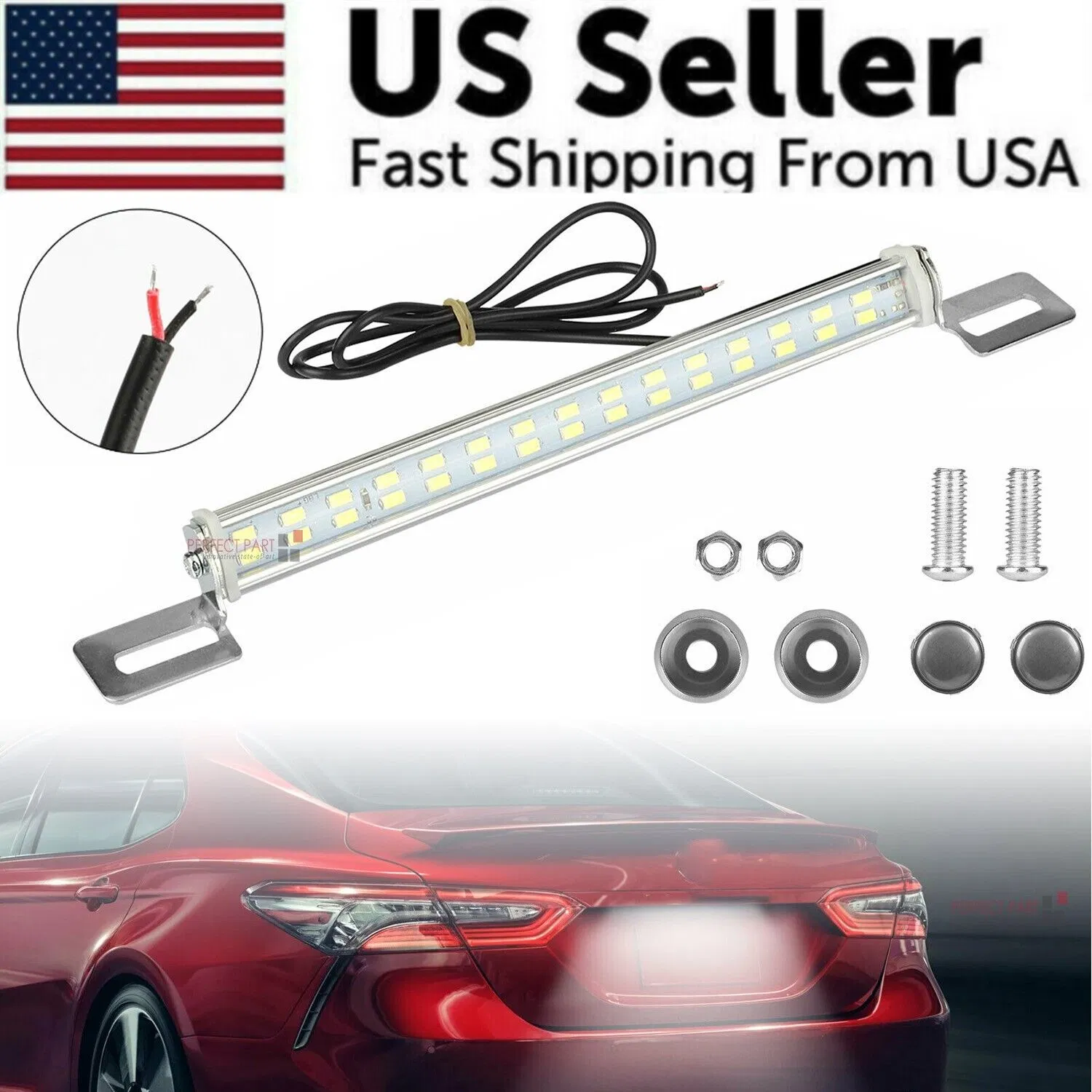 Universal License Plate LED Back Up Light for Car SUV Truck RV 6000K Super White$19.99View on Mallflare
Highlights
- Base-type compatibility governs bulb fit: T10/194 wedge, 3156/3157 (T25) wedge, and festoon sizes are not interchangeable, and buying the wrong base is the top return reason.
- CANbus and PWM compatibility matter for turn signals and newer vehicles: uninhibited low-wattage LEDs trigger hyperflash or bulb-out warnings unless the bulb is CANbus-ready or paired with load resistors.
- Housing and lens materials separate durability tiers: PC (polycarbonate) lenses resist UV yellowing and impact far better than acrylic, and die-cast aluminum heat sinks are required to dissipate LED heat versus plastic bodies.
- Auxiliary lamp performance is set by IP rating and beam pattern: IP67/IP68 sealing handles rain and washdown, while spot, flood, and combo optics determine usable throw versus near-field spread—higher raw lumen counts without a defined pattern are wasted light.
Best use cases
- Interior dome, map, trunk, and license-plate upgrades: choose T10/194 or festoon LEDs rated 12V with a 6000K white output and a diffused or frosted lens; skip high-power focused emitters that hotspot the housing.
- Turn, brake, and reverse signals on modern vehicles: pick 3156/3157 bulbs explicitly labeled CANbus-ready or bundle inline load resistors; skip generic high-output bulbs on vehicles with bulb-out monitoring.
- Off-road and work lighting (light bars, pods, rock lights): select IP67+ die-cast aluminum fixtures with a combo or flood beam and a relayed harness rated for the bar's amperage; skip unsealed plastic bars and direct-to-switch wiring.
- Ambient and accent lighting inside the cabin: USB-C or rechargeable puck/strip lights are plug-and-play and reversible; skip hardwired 12V strips unless you are comfortable tapping a fused circuit.
Buying tips
- Match the base before anything else: T10/194 for wedge interior and plate sockets, 3156/3157 for most turn/brake, and measure festoon length in millimeters—do not assume a 'universal' fit.
- Size the wiring harness to the load: a 40A relay/fuse harness supports high-wattage bars, but confirm the bar's actual amp draw (watts ÷ 12V) stays under the fuse rating with margin.
- Choose beam pattern over raw output: spot optics for distance, flood for near-field work spread, and combo bars for mixed use; unfocused high-lumen bars create glare without usable reach.
- For interior color temperature, 6000K reads as crisp white while 3000K–4000K is warmer; choose a diffused lens to avoid pinpoint hotspots in dome and map housings.
Specs
| Bulb Base Type | T10/194, 3156/3157, festoon |
|---|---|
| Lens & Housing | PC lens / die-cast aluminum vs plastic |
| Sealing Rating | IP67/IP68 for exterior lamps |
| Beam Pattern | Spot / flood / combo optics |
Related searches
What to check before buying
- Confirm the exact bulb base and socket depth in your vehicle's owner's manual or by pulling the existing bulb—T10, 3157, and festoon are physically distinct.
- Verify the vehicle's CANbus/bulb-out behavior for signal and brake positions; plan for CANbus-ready bulbs or load resistors if the car monitors lamp resistance.
- Measure the mounting space for auxiliary bars and pods (length, height, clearance behind grille/bumper) and confirm the harness reaches the battery and switch location.
- Check the fixture's IP rating and housing material for your climate—IP67+ and die-cast aluminum for exposed exterior use; sealed plastic only for sheltered interior applications.
FAQ
Data sources: eBay / Amazon listings and product attribute feeds Data updated Nov 15, 2026.
Some links on this page are affiliate links. If you buy after clicking one, we may earn a commission at no extra cost to you. This does not change which products appear here or their order. Affiliate disclosure.